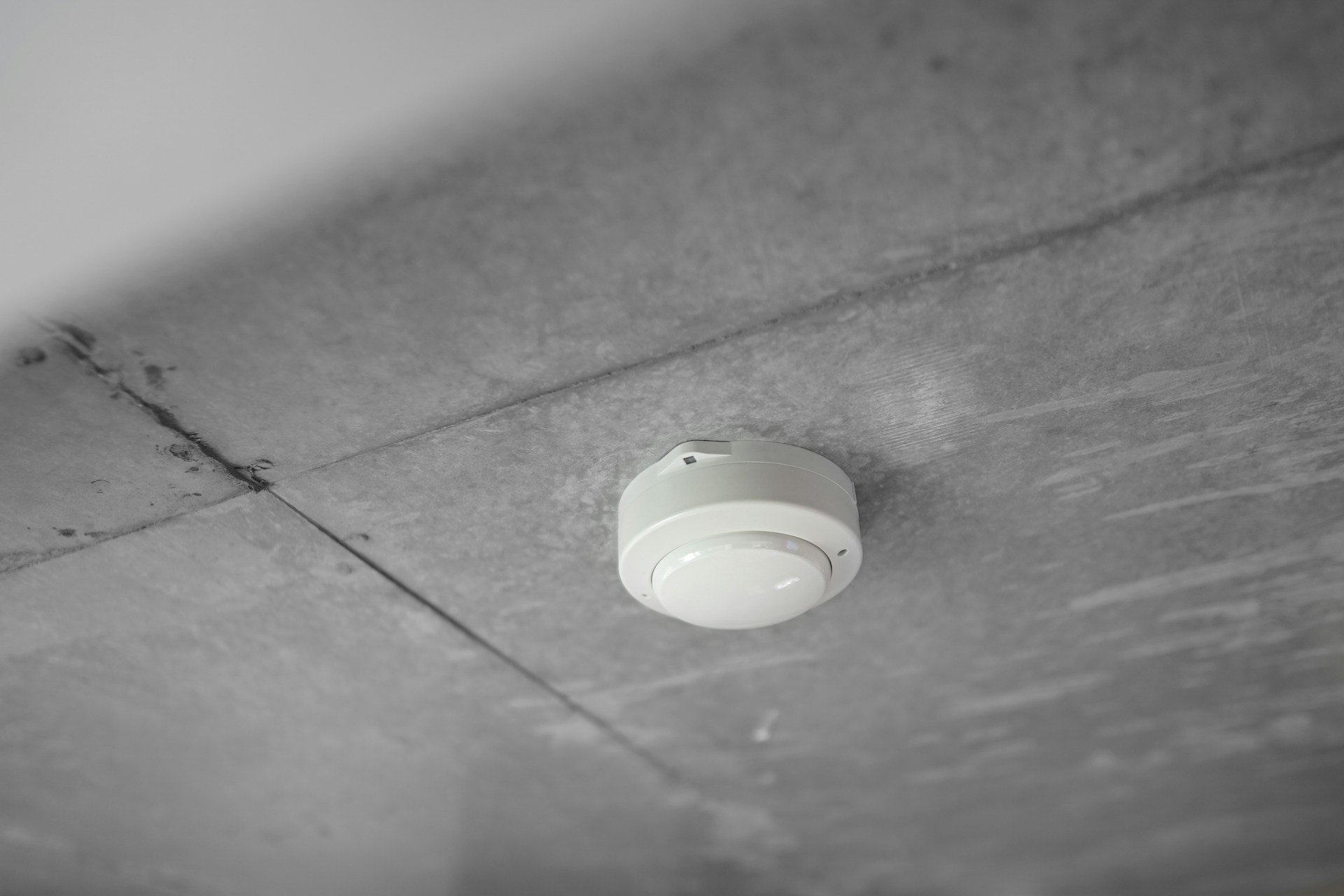
A carbon monoxide detector going off means one thing in this moment: stop reading and get everyone outside into fresh air. Come back to this page once you’re out.
Carbon monoxide has no color, no smell and no taste. People often feel fine right up until they don’t, which is why the alarm deserves the benefit of the doubt every single time.
The First Five Minutes
Get out. Wake anyone who is asleep and bring pets with you. Don't stop to open windows, shut off appliances or hunt for the cause. Fresh air outside is the priority.
Call from outside. Call 911. If you suspect a gas appliance, you can also call the emergency line for Southwest Gas, the natural gas utility for the Las Vegas Valley. Tell 911 the CO alarm is sounding, whether anyone feels sick and which gas appliances you have. Mention it if a car or generator was running in or near an attached garage.
Stay out. The alarm going quiet doesn't mean the air has cleared. Responders carry meters that measure the gas directly, and they'll tell you when it is safe to go back in.
Watch for symptoms. The CDC lists headache, dizziness, weakness, upset stomach, vomiting, chest pain and confusion as the most common signs of carbon monoxide poisoning. Infants, older adults and people with chronic heart disease, anemia or breathing problems are more likely to get sick. Anyone with symptoms should be seen by medical staff, even if they start to feel better in the fresh air.
Telling an Alarm From a Maintenance Chirp
Once everyone is safe, it helps to know what you actually heard. Detectors use one sound for danger and another for routine maintenance.
A true carbon monoxide alarm is loud and insistent: a repeating run of beeps with short pauses that keeps going. A single short chirp roughly once a minute is a different message, usually a low battery. Many detectors also have an end-of-life chirp that starts once the sensor has reached the end of its working life, and a fresh battery won't silence that one because the whole unit needs replacing.
Patterns vary by model, and the key is printed on the back of the detector. It's worth reading on a calm day so you aren't guessing during a stressful one. If you ever can't tell which sound you're hearing, treat it as an alarm. An unnecessary trip outside takes ten minutes of your time.
Where the Carbon Monoxide Comes From
Carbon monoxide is a byproduct of burning fuel, and far more of it forms when combustion is incomplete or exhaust isn't vented properly. The EPA lists the usual household sources, including leaking chimneys and furnaces, back-drafting from furnaces, gas water heaters and fireplaces, gas stoves, generators and exhaust from attached garages. In a typical Las Vegas Valley home, a handful of those stand out.
The Furnace
Inside a gas furnace, the heat exchanger keeps combustion gases sealed away from the air that flows through your ducts. A crack in that metal, or a flue pipe that is blocked or has come loose, lets those gases into the house. Because a gas furnace in the Valley may go months without firing, a hidden crack or blockage can go unnoticed until heating season. Soot near the furnace, a smoky smell or unusual rumbling are all worth having inspected, and our guide to a burning smell from your heater explains which smells are harmless.
The Water Heater
A gas water heater sends its exhaust up a vent pipe. If that pipe is loose, poorly sloped or blocked, the exhaust can spill back into a garage or closet instead. If yours sits in the garage or a closet beside the door into the house, that vent is worth a look every year.
The Kitchen and Fireplace
Gas ranges produce some carbon monoxide even when they're working properly. The EPA notes that levels near poorly adjusted gas stoves may be 30 ppm or higher, which is one reason never to use a gas oven to heat a room. A fireplace with a closed damper or a blocked chimney can also push gases back indoors.
The Garage
The CDC warns against running a car or truck in an attached garage, even with the big door open. Exhaust drifts into the house through the connecting door and gaps in the wall, and attached garages are common across the Valley.
Once Responders Give the All Clear
Clearing the air and finding the source are two separate jobs. Responders confirm the house is safe to re-enter. Finding out why the alarm went off, and fixing it, is the next step.
A licensed technician should inspect the furnace, water heater and any other gas appliances, paying particular attention to the heat exchanger, flue connections and venting. If they find a cracked heat exchanger, a blocked flue or a water heater that is back-drafting, they will explain the repair, and testing again afterward confirms the problem is genuinely gone before you rely on that appliance again.
Dr. Cool's indoor air quality testing includes carbon monoxide detection, alongside a wider look at the air inside your home.
Making a Repeat Less Likely
Cover every sleeping area. The CDC recommends battery-operated or battery backup detectors near every sleeping area. The EPA notes that the Consumer Product Safety Commission recommends an alarm on each level of the home, outside each sleeping area. For most single-story Las Vegas homes, that means at least one in the hallway outside the bedrooms, plus one on each floor in a two-story house.
Test them. Press the test button once a month, and follow the CDC's suggestion of checking batteries when the clocks change in spring and fall. Replace any detector that gives its end-of-life signal or passes the date on its label.
Service gas appliances yearly. The CDC advises having your heating system, water heater and other gas-burning appliances serviced by a qualified technician every year. Scheduling heating maintenance before the first cold snap means any issue is found while the furnace is still idle.
When You're Ready to Find the Cause
Once your home has been cleared, Dr. Cool can inspect your furnace, water heater and venting to track down what set the alarm off. Book online or call (702) 873-1800. Emergency service is available 24/7 for anything that can't wait until morning.
Connect With Us
Our Contact Information
Reach Us by Phone or Email
If you prefer to speak directly with one of our technicians, don’t hesitate to contact us by phone or email. We’re available to assist you during business hours
Phone: (702) 873-1800
Email: info@drcoolservices.com
Business Hours:
Mon – Fri: 7:00 am – 9:00 pm
Sat – Sun: 8:00 am – 5:00 pm