Your HVAC system has one key job: move hot or cold air through your living space. The ductwork is the highway that air travels on. When that highway gets coated with dust buildup, pet hair, and other contaminants, the system can push some of that mess right back into your home.
In the Las Vegas Valley, it’s easy for these contaminants to build up faster than you’d expect. Desert dust sneaks in, long air-conditioning seasons keep the blower running, and renovations can leave behind fine drywall dust that seems to get everywhere. Over time, dirty air ducts can also affect airflow, comfort, and the work your cooling system has to do.
This guide breaks down what’s really inside your ducts, the real-world benefits of air duct cleaning, signs your ducts may need to be cleaned, how often to clean your air ducts, and when it’s time to call a professional.
What's Really Inside Your Air Ducts
Ducts aren't sealed vaults. Every time your system runs, it moves air, and air carries particles. Some dust is normal in any home, especially around air vents. The issue is when this normal dust turns into heavy buildup, or when the ductwork collects things that shouldn't be there at all.
Think of your ducts like the inside of a vacuum hose. Even if you keep the outside clean, the inside can hold layers of debris over time. That buildup can sit quietly for months, then get stirred up when the blower cycles on. In addition to the regular debris, leaks in ductwork, construction gaps, and open attic or crawlspace areas can allow extra pollutants to be pulled in over time.
Las Vegas homes face additional dust pressure from wind and dry soil blowing in from the desert. These desert conditions can raise indoor dust levels, making it feel like you're cleaning nonstop.
Buildup You Can't See from Your Vents
Most homeowners only see the vent grille, while the inner workings of the ductwork can hide a lot more.
Here are some contaminants that often build up secretly in your ducts:
- Dust and lint from everyday living
- Drywall dust after renovations or repairs
- Pet dander and pet hair that gets pulled into the returns
- Pollen and outdoor particles that slip in through doors and windows
- Mold spores and other tiny particles that can settle in low spots
A vent cover can look clean while the inside is covered in thick buildup. When this debris collects in your ducts, it can reduce airflow. That's one reason some rooms feel stubbornly warmer or cooler than others.
The Effects of Dirty Ductwork
While this debris sounds scary, it’s important to note that dirty ducts don't automatically mean your home is unsafe. Still, heavy debris can negatively affect indoor air quality, especially when your HVAC system runs frequently. If your family members have allergy symptoms, fine dust particles and pet dander can worsen when the system keeps circulating air carrying these allergens.
Dirty ducts don't just spread allergens; they make your HVAC system work harder than it has to. Debris blocks airflow, forcing your AC to work harder to push air through. This extra strain drives up your energy bills. Clean ducts let air flow freely, keeping your system efficient and your costs low.
The Benefits of Air Duct Cleaning for Homeowners
If you're constantly dusting, noticing weak airflow, or seeing dust around your vents, professional duct cleaning can make a real difference. Homeowners typically experience cleaner air, better comfort, and improved system performance, especially in homes with pets, recent renovations, or visibly dirty vents.
Clean Ducts Improve Energy Efficiency
Airflow is the lifeblood of your HVAC system. When airflow drops, your cooling system can run longer to reach the desired thermostat setting. Over time, that extra runtime can add wear to parts that already work hard in a Las Vegas summer.
Clean ducts can help air move with less resistance. As a result, you may see fewer hot and cold spots, steadier comfort, and less strain on the blower. During cool Vegas nights, proper airflow supports the safe, steady operation of your heating system, including the performance of heat exchangers.
Clean Ducts Improve Indoor Air Quality
If you or a family member is sensitive to dust, pet dander, or spores, cleaning your air ducts will reduce the amount that circulates through your home, helping with allergies. It's about lowering the load of common triggers that keep getting reintroduced into the living space.
Air duct cleaning works best as part of a simple plan:
- Change the air filter on schedule
- Keep returns clear so they don't pull extra debris from carpets or clutter
- Stay on top of regular cleaning, especially if you have shedding pets
Signs That Your Ducts Need Cleaning
The most helpful approach is to separate "everyday clues" from situations that need urgent, professional attention. Some signs are annoying but mild. Others point to mold growth, infestation, or a clog that can't be fixed with a vacuum and a new air filter.
Everyday Clues That It Is Time to Clean Your Air Ducts
These are the signs that often show up first. They don't always mean an emergency, but they do suggest the buildup in your ducts is growing.
- Dust blowing from vents when the blower starts
- Dust constantly accumulates on furniture, even with regular cleaning
- Musty odor when the system starts
- Uneven airflow across rooms
- The air filter looks dirtier quicker than normal
- Vent grilles and nearby ceiling areas show heavy dust
- Energy bills rising with no other clear cause (no new rates, no major usage change)
For many Las Vegas homeowners, it’s typical to clean air ducts every 3 to 5 years. Still, it's reasonable to clean sooner if you have multiple pets, smokers in the home, allergy-prone family members, frequent renovations, or notice any of these warning signs.
Signs It’s Time to Schedule a Professional Duct Cleaning
Some situations call for professional duct cleaning services quickly because the risk of spreading particles is higher, or because the source problem requires expert handling.
Look for:
- Visible mold inside ducts or near air vents
- A persistent musty smell that doesn't go away
- Signs of pest infestation (droppings, nesting, or scratching sounds)
- Water damage near ductwork, especially around ceilings or vents
- Worsening respiratory issues that line up with the system runtime
DIY vs Professional Duct Cleaning
A little DIY cleaning can go a long way, especially in dusty climates. Still, DIY cleanings have limits. Most duct runs twist, turn, and stretch farther than a household vacuum can reach. Meanwhile, aggressive brushing without containing the problematic area can knock debris loose and push it deeper into your system, or blow it back into rooms.
A good rule of thumb: DIY for the parts you can reach safely. Call a pro when you need deep removal, better equipment, and a process that protects the home.
What You Can Do Yourself
Start with sustainable habits that reduce new buildup.
Simple, safe steps that help:
- Replace your air filter on schedule (every 30-90 days)
- Vacuum and wipe vent covers and grilles
- Keep return vents unblocked by furniture or drapes
- Use a HEPA-filtered vacuum on floors and rugs, especially with pets
- Manage pet hair with frequent brushing
What Professional Duct Cleaning Should Include (and what to watch out for)
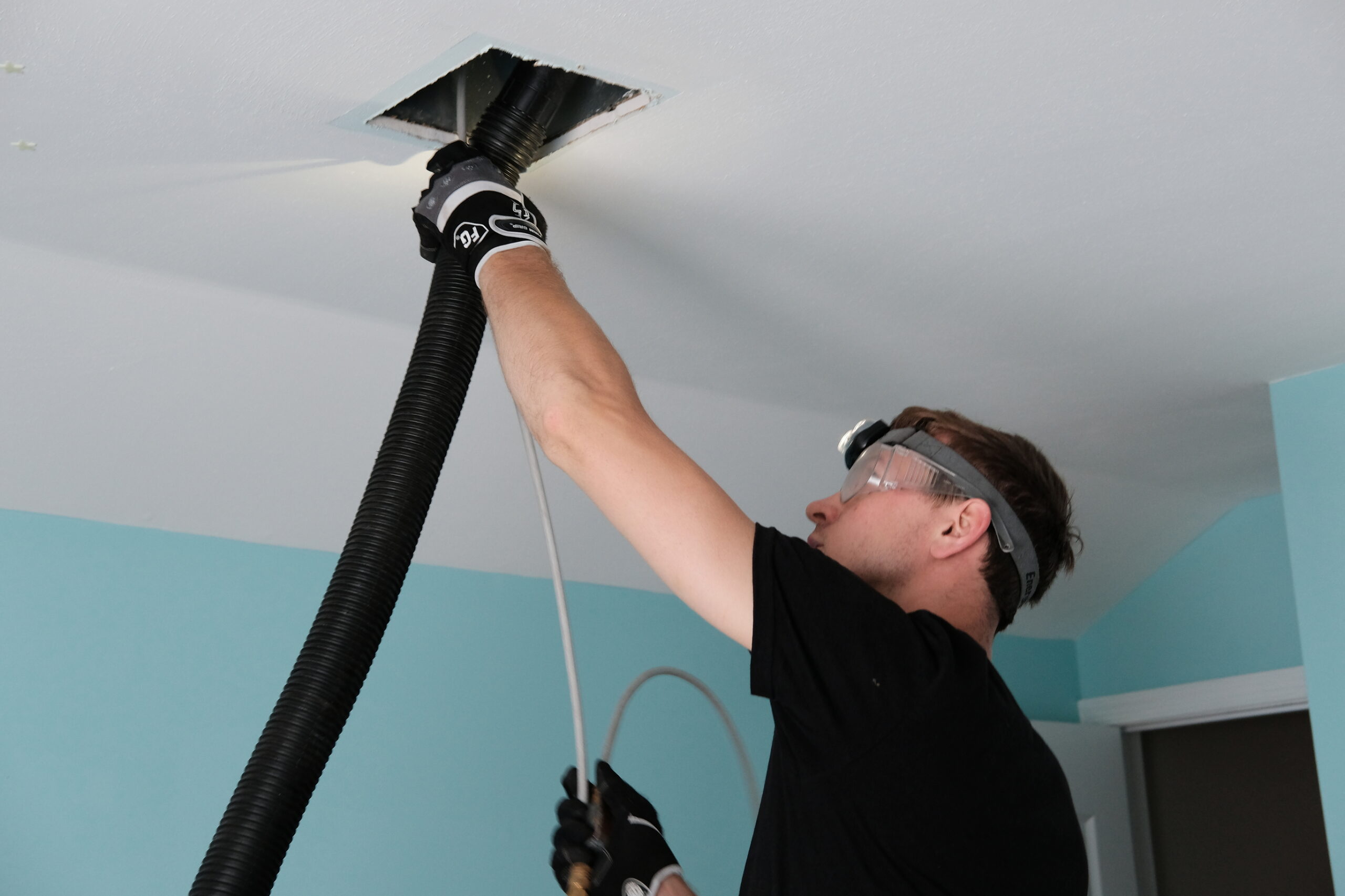
Professional duct cleaning should feel controlled and methodical, not messy or rushed. A solid crew starts with an inspection, protects floors and corners, then uses high-powered vacuums (often HEPA-filtered) and agitation tools to loosen and capture debris. They should clean supply and return runs, not just the vent openings.
Depending on the scope you choose, a company may also address accessible HVAC system areas, such as the blower compartment, returns, and other reachable sections. That matters because a clean duct connected to a dirty blower can quickly become dusty again.
NADCA (National Air Duct Cleaners Association) guidelines are a good sign that a company follows recognized practices. You can review NADCA's proper cleaning methods to understand what a thorough job looks like.
A few red flags to look out for:
- Scare tactics about "toxic" air without proof
- Unrealistically low coupon pricing that changes after an inspection
- Refusing to explain the process, equipment, or scope
- No photos, no inspection notes, no clear results
- Pushing chemical fogging without a clear reason and informed consent
A trustworthy pro can explain what they'll clean, how they'll protect your home, and what results you should expect.
A Cleaning Plan You Can Stick With for a Cleaner Home
When homeowners ask, "How often to clean your air ducts?" a good rule of thumb is every 3 to 5 years, then adjusting based on lifestyle and conditions. Cleaning ducts makes sense when there's real buildup, airflow issues, or clear signs of contamination. When done at the right time, it can reduce dust circulation, support indoor air quality, and help your HVAC system breathe easier. The honest answer to how often to clean your air ducts depends on your home, pets, allergies, renovations, and how dusty your environment is.
Dr. Cool serves Las Vegas homeowners with licensed HVAC technicians who treat your home with care. The goal is a stress-free process, clear communication, and duct cleaning services that make sense for your situation, not a one-size-fits-all pitch. Call Dr. Cool at (702) 608-6939 or schedule an appointment online to get straightforward help with air duct cleaning and other heating and cooling services.
Connect With Us
Our Contact Information
Reach Us by Phone or Email
If you prefer to speak directly with one of our technicians, don’t hesitate to contact us by phone or email. We’re available to assist you during business hours
Phone: (702) 873-1800
Email: info@drcoolservices.com
Business Hours:
Mon – Fri: 7:00 am – 9:00 pm
Sat – Sun: 8:00 am – 5:00 pm