Choosing the right furnace for your home is one of the most important decisions you will make for your HVAC system. Whether you are building a new house or replacing an aging heating system, the choice between an electric furnace and a gas system will impact your comfort and your wallet for years to come. This guide breaks down the key differences between these two systems to help you make an informed decision that fits your budget and your lifestyle.
How Gas Furnaces Work
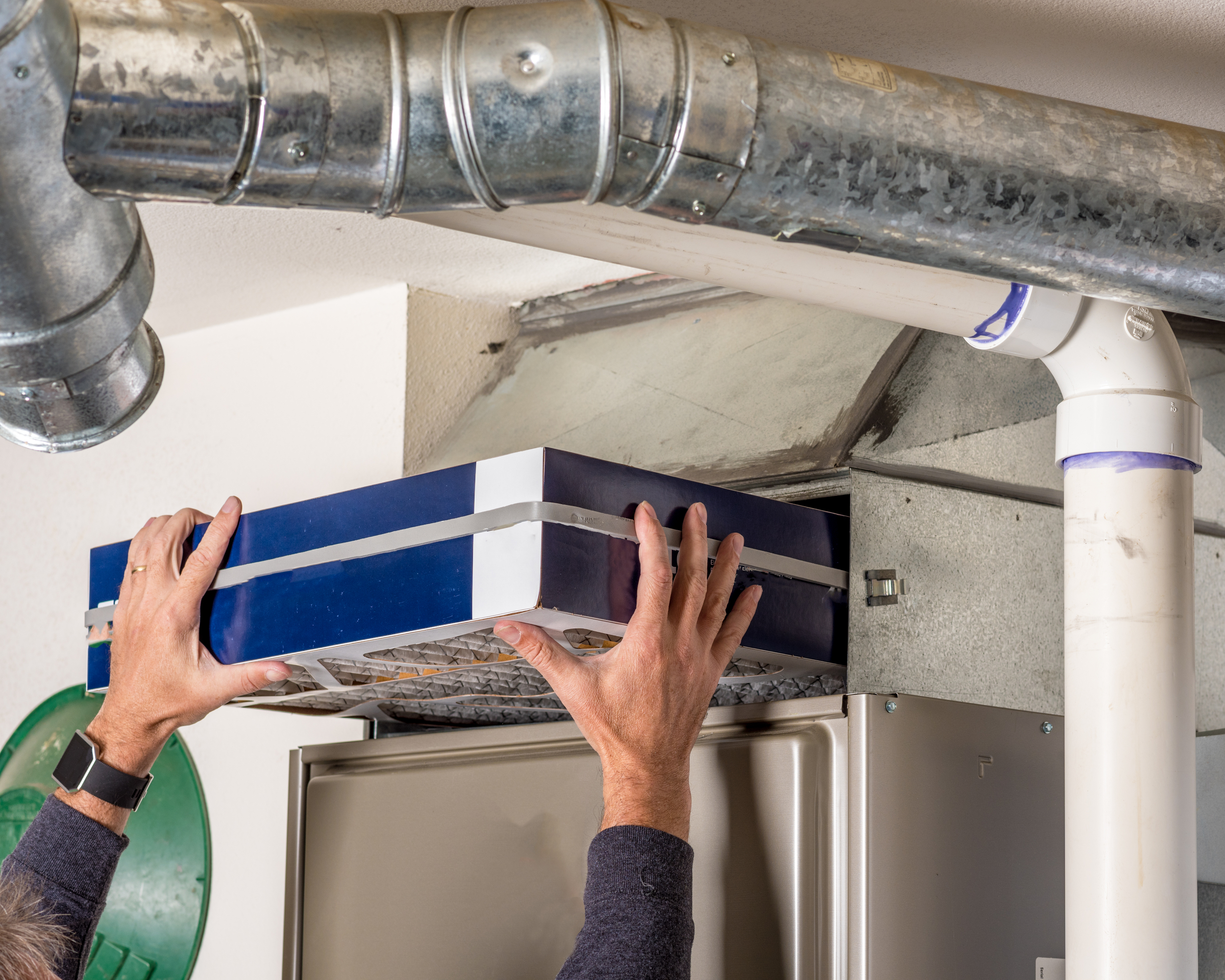
Natural gas furnaces are the most common type of furnace in the United States. They rely on burning fossil fuels to generate heat. When your thermostat calls for warmth, a valve opens to send natural gas to the burners. These burners ignite, heating a heat exchanger. A blower then pushes air across that hot heat exchanger, turning it into warm air that travels through your ductwork.
Benefits of Gas Systems
- Lower Operating Costs: In most parts of the country, natural gas prices are significantly lower than electricity rates. This typically leads to lower monthly heating bills.
- Faster Heating: Gas produces a hotter flame, allowing it to heat air more quickly than electric systems. This is a major advantage in cold climates.
- High Efficiency: Modern high-efficiency models have a high annual fuel utilization efficiency (AFUE) rating, meaning they convert almost all the fuel into usable heat.
Drawbacks of Gas Systems
- Safety Risks: Because they burn fuel, gas furnaces carry a risk of gas leaks or carbon monoxide exposure. Homeowners must install carbon monoxide detectors and schedule regular maintenance.
- Complex Installation: These units require specialized venting systems to safely exhaust combustion gases. If your home does not already have natural gas lines, the installation costs can be very high.
- Environmental Impact: Gas units rely on fossil fuels and emit on-site greenhouse gases, thereby increasing their carbon footprint.
How Electric Furnaces Work
An electric furnace uses resistance heating. Inside the unit, large heating elements (similar to those in a toaster) glow red hot when electricity passes through them. The blower fan pulls air over these elements and pushes the heated air through the home.
Benefits of Electric Systems
- Lower Upfront Cost: Generally, an electric furnace installation is much cheaper than a gas one. There are no gas lines to run and no complex venting systems required.
- Longer Lifespan: Since they do not use combustion, electric systems experience less wear and tear. A typical electric unit has a lifespan of 20 to 30 years, while a gas unit usually lasts 15 to 20 years.
- Simple Maintenance: Furnace maintenance is often simpler for electric units because they have fewer moving parts and no burners to clean.
Drawbacks of Electric Systems
- Higher Operating Costs: In many regions, electricity costs make these units much more expensive to run. Your monthly utility costs can be significantly higher during the winter.
- Slower Heating: It takes longer for heating elements to reach peak temperature than with a gas burner.
Comparison at a Glance
| Feature | Gas Furnace | Electric Furnace |
|---|---|---|
| Upfront Cost | Higher | Lower |
| Energy Source | Natural Gas or Propane | Electricity |
| Efficiency Ratings | 80% to 98% AFUE | 100% AFUE |
| Operating Costs | Generally Lower | Generally Higher |
| Maintenance | Requires regular maintenance | Low maintenance |
| Lifespan | 15 to 25 Years | 20 to 30 Years |
| Safety | Requires carbon monoxide detectors | N/A |
The Las Vegas Perspective
If you are a Vegas homeowner, your heating system needs are unique. Our winters are relatively short, but our electricity rates can be high during peak demand.
While natural gas furnaces offer lower operating costs, many people in the valley are moving toward a heat pump. A heat pump is an energy-efficient alternative that provides both heating and cooling. In a climate like ours, where we rarely experience the brutal cold of colder regions, a heat pump is often the most cost-effective choice.
However, if your home is already plumbed for a natural gas line, sticking with a gas system is often the easiest path for a new furnace installation.
Dr. Cool is Here to Help You Navigate This Decision
At Dr. Cool, we know that choosing the right furnace is a big investment, and we want to ensure you are 100% satisfied with your decision. Whether you want the power of a high-efficiency gas unit or the simplicity of an electric furnace, our HVAC experts provide the know-how to get the installation done right and a 100% satisfaction guarantee on our work so you can enjoy your new furnace stress-free.
Still not sure which heating system is right for you? Call Dr. Cool at (702) 608-6939 or schedule your professional furnace consultation online today.
Connect With Us
Our Contact Information
Reach Us by Phone or Email
If you prefer to speak directly with one of our technicians, don’t hesitate to contact us by phone or email. We’re available to assist you during business hours
Phone: (702) 873-1800
Email: info@drcoolservices.com
Business Hours:
Mon – Fri: 7:00 am – 9:00 pm
Sat – Sun: 8:00 am – 5:00 pm