Water is one of your home’s most important resources, but many homeowners don’t realize how much they use until they see their water bill. From the kitchen and laundry room to your outdoor landscaping, small changes can significantly reduce water usage, lower utility bills, and help protect local water resources for future generations.
Key Takeaways
- Fix leaks promptly to prevent water waste and lower your water bill.
- Improve outdoor irrigation systems to reduce evaporation and water consumption.
- Use water-saving habits to protect clean water supplies and reduce utility bills.
Start Indoors: Reduce Everyday Water Use
Most indoor water use happens in bathrooms, kitchens, and laundry rooms. Fortunately, these areas also offer some of the easiest opportunities to save water.
Fix Leaks Before They Become Expensive
A dripping faucet or running toilet may seem minor, but even small leaks can waste gallons of water every day. Regularly inspect faucets, toilets, showerheads, and visible plumbing connections. If you notice leaks, schedule repairs quickly to avoid unnecessary water waste and rising utility bills.
Upgrade to Water-Efficient Fixtures
Installing water-efficient fixtures is one of the simplest ways to reduce water consumption. Consider:
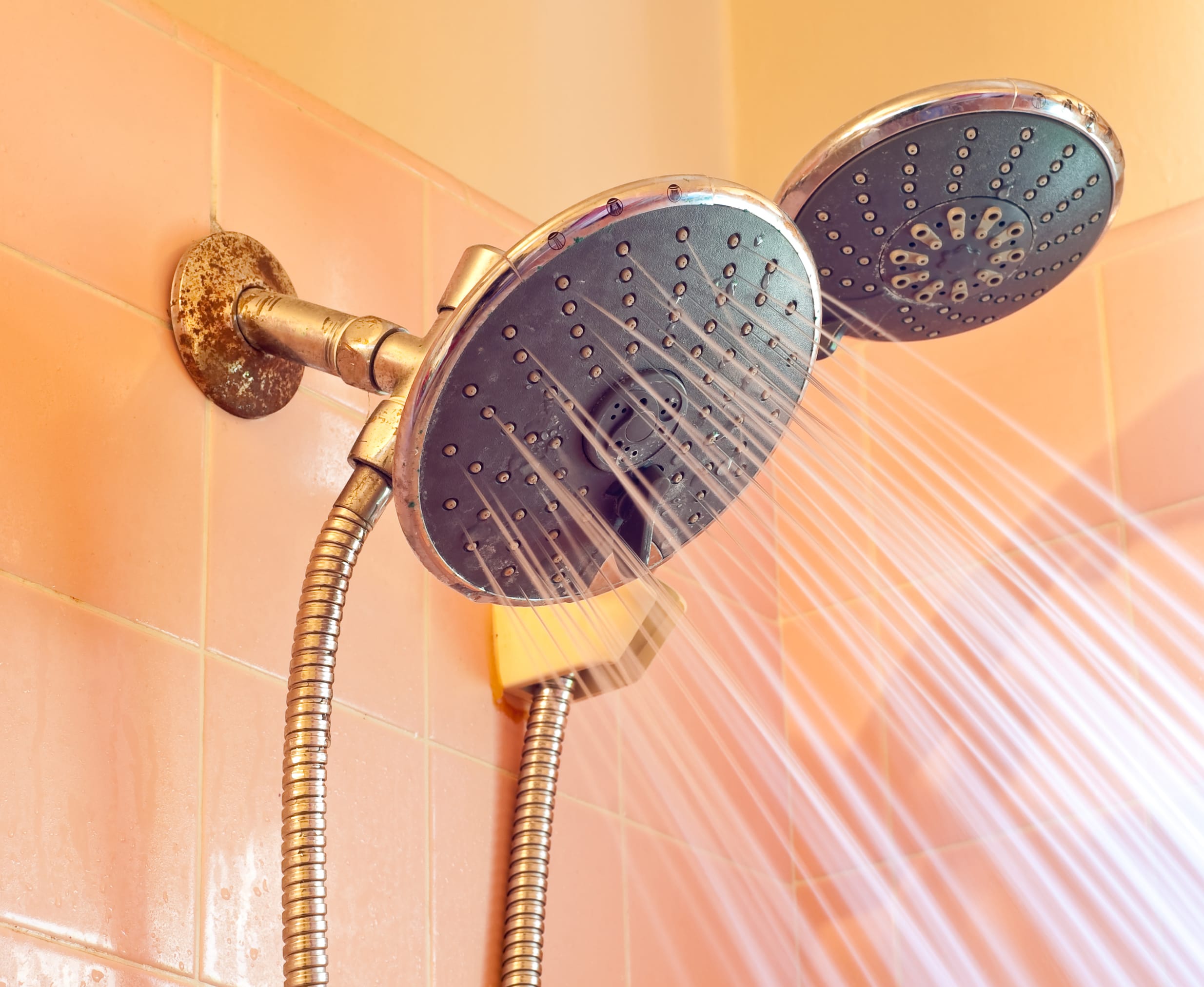
- Low-flow shower heads
- Faucet aerators
- High-efficiency toilets
- WaterSense label-certified fixtures
Take Shorter Showers
If the hot water runs out too fast in your shower, you may be taking too long of showers. Long showers can significantly increase both water use and energy consumption, especially when using hot water. Taking shorter showers and switching to low-flow showerheads can save water and reduce the workload on your water heaters.
Turn Off the Tap
One of the easiest water-saving tips is to turn off the tap while brushing your teeth, shaving, or scrubbing dishes. Letting a faucet run unnecessarily wastes drinking water that has already been treated and delivered through the local water supply.
Use Appliances Efficiently
Household appliances account for a significant portion of water consumption.
Run Full Loads
Running full loads of laundry and dishes maximizes efficiency and reduces the gallons of water used per item cleaned.
Modern high-efficiency appliances use substantially less water than older models, making upgrades a worthwhile investment for many homeowners. Washing only full loads can significantly reduce water use per cycle.
Upgrade to ENERGY STAR Appliances
When it's time to replace your washer or dishwasher, look for ENERGY STAR-certified models. These water-efficient appliances use less water and less energy than standard units while delivering excellent cleaning performance.
Use Cold Water When Possible
Many laundry loads can be cleaned effectively using cold water. This simple adjustment reduces energy consumption and lowers the demand on your water heater.
Rely on Kitchen Appliances
Instead of handwashing dishes under continuously running water, use your dishwasher whenever possible. Modern dishwashers are often more efficient than handwashing.
When using the sink, avoid letting the faucet run unnecessarily. If you have food scraps, consider composting appropriate materials rather than relying heavily on your garbage disposal. This can reduce water use and lessen strain on your plumbing system.
Save Water Outdoors
Outdoor water use can dramatically increase during warmer months. In many regions, irrigation systems and lawn watering account for a large percentage of household water consumption. Outdoor watering can represent a major share of residential water use, especially during summer months.
Optimize Your Irrigation Systems
Check sprinklers regularly for leaks, damaged heads, or poor spray patterns. Sprinklers that spray sidewalks or driveways create unnecessary water waste.
Water your lawn early in the morning or later in the evening when evaporation rates are lower. This allows more rainwater and irrigation water to reach plant roots rather than evaporating into the air.
Choose Drought-Resistant Landscaping
Consider incorporating native plants, drought-resistant grasses, and mulch into your landscaping design. Native plants generally require less water and adapt better to local conditions.
Mulch also helps retain soil moisture, reducing the frequency of watering while supporting healthy plant growth.
Collect Rainwater
A rain barrel can help capture rainwater from your roof for later use in gardens and landscaping. Reusing rainwater helps reduce demand on municipal water resources and can lower outdoor water consumption.
Maintain Your Plumbing System
Water quality can also affect plumbing performance. Mineral buildup from hard water may reduce efficiency in faucets, showerheads, and water heaters over time. Routine plumbing maintenance helps prevent hidden leaks and inefficient water use.
Schedule periodic inspections of:
- Faucets
- Toilets
- Water heaters
- Washing machine connections
- Outdoor hose bibs
- Irrigation systems
Why Water Conservation Matters
Conserving water helps protect local water resources, supports reliable drinking water supplies, and reduces the energy required to treat and deliver water to homes. Some municipalities and utility providers even offer rebates for installing water-efficient fixtures, high-efficiency toilets, and other conservation-focused upgrades.
As climate change continues to impact weather patterns and water availability in many regions, responsible water use becomes increasingly important. By reducing water waste today, homeowners help preserve clean water for future generations.
Let Dr. Cool Help You Conserve Water at Home
From hidden leaks to outdated fixtures, plumbing issues can increase water usage and drive up utility bills. At Dr. Cool, we help homeowners improve efficiency with expert water leak detection and plumbing services, fixture upgrades, and water-saving solutions.
Call Dr. Cool at (702) 608-6939 or schedule your professional plumbing service online today.
Connect With Us
Our Contact Information
Reach Us by Phone or Email
If you prefer to speak directly with one of our technicians, don’t hesitate to contact us by phone or email. We’re available to assist you during business hours
Phone: (702) 873-1800
Email: info@drcoolservices.com
Business Hours:
Mon – Fri: 7:00 am – 9:00 pm
Sat – Sun: 8:00 am – 5:00 pm
