Choosing between a central air conditioning system and a ductless mini-split system is one of the most important HVAC decisions a homeowner can make. Both options can keep your home comfortable during Las Vegas summers, but they work very differently and are designed for different needs.
The right choice depends on your home’s layout, existing ductwork, energy efficiency goals, and budget. Here’s how central AC and mini-split systems compare.
Key Takeaways
- Central AC uses ductwork to cool the entire home through a single thermostat, while a ductless mini-split system provides room-by-room temperature control without ducts.
- Mini splits are typically more energy-efficient, while central air can be more cost-effective in homes with existing ductwork.
- Both systems can operate as a heat pump system for year-round home comfort.
How Central AC and Mini Splits Work
Before comparing performance and costs, it's helpful to understand how each system operates.
Traditional Central Air Conditioning System
A central air conditioning system uses an outdoor unit containing the compressor and condenser unit, along with an indoor air handler that houses the evaporator coil and blower.
The system pulls warm air from your home, cools it, and distributes conditioned air through a network of ductwork. Everything is controlled through a single thermostat, making central AC ideal for whole-home cooling.
Ductless Mini-Split System
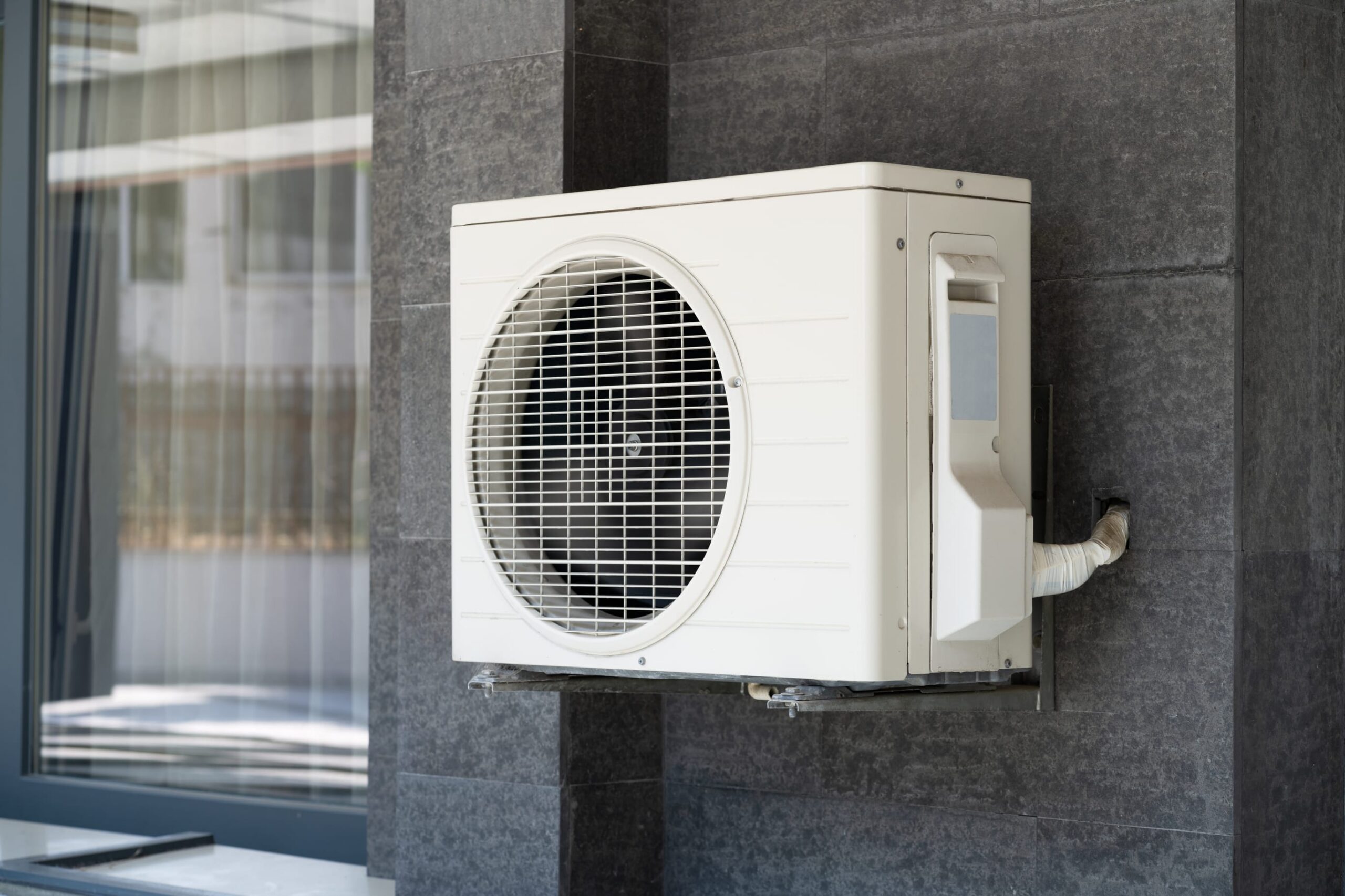
A mini-split system, often called a ductless AC, operates without ductwork.
Instead, a single outdoor condenser connects to one or more indoor units through refrigerant lines and power cables. Each mini-split unit operates independently, creating a zone system that allows you to adjust temperatures in specific rooms or living spaces.
This setup gives homeowners greater control over comfort and energy use.
Central AC vs Mini Split: Key Differences
Installation Requirements
One of the biggest factors in choosing between these systems is whether your home already has ductwork.
A traditional central unit is often the most practical option for homes with existing ductwork in good condition. Installation is typically straightforward because the infrastructure is already in place.
A ductless mini-split system is often the better solution for:
- Older homes without ducts
- Room additions
- Converted garages
- Areas where extending ductwork is difficult or expensive
Because mini splits require only a small opening in the wall for refrigerant lines, installation is generally less invasive.
Energy Efficiency
When comparing energy efficiency, mini splits often have the advantage. Traditional central AC systems can lose cooled air through leaks in ductwork, especially in older homes. In Las Vegas, where attic temperatures rise quickly, those losses can have a significant impact on energy bills.
Many modern mini split air conditioners use variable-speed inverter technology that continuously adjusts output based on demand. Instead of constantly turning on and off, the system runs at lower speeds to maintain consistent comfort while using less energy.
For homeowners wanting to save on energy bills, a ductless heat pump system is often the more efficient choice.
Comfort and Temperature Control
Comfort is another major difference between the two systems. A central air conditioner cools the entire home from a single thermostat location. While effective, it doesn't allow for customized temperatures in different rooms.
A multi-zone mini split provides individual control for each indoor unit.
For example:
- Bedrooms can be cooler at night.
- Guest rooms can remain unused until needed.
- Home offices can be conditioned separately from the rest of the house.
This level of flexibility is one of the biggest advantages of a mini-split system.
Indoor Air Quality
Your HVAC system also affects indoor air quality. Traditional central systems rely on ductwork, which can collect dust, pet dander, and allergens over time. Without proper maintenance, these contaminants can circulate throughout the home.
Because ductless mini splits don't use ducts, they avoid many of these concerns. Many systems also include advanced filtration built directly into the indoor heads, helping improve indoor air quality.
Which System Costs More?
The answer depends largely on your home. If your home already has functioning ductwork, a central AC system often comes with a lower upfront cost. However, older duct systems may require repairs, sealing, or replacement to operate efficiently.
A mini-split system typically requires a higher initial investment, particularly for multi-zone installations with multiple indoor units. That said, many homeowners recover some of that investment through long-term energy savings and lower monthly utility bills.
Which System Is Best for Your Home?
There are a few key indicators on which system would work better for your home.
Central AC may be best if you:
- Own a home with existing ductwork.
- Want whole-home cooling from a single thermostat.
- Prefer a lower initial installation cost.
- Have a larger home with a traditional layout.
A mini split may be best if you:
- Own a home without ductwork.
- Plan to add a new living space.
- Want room-by-room comfort control.
- Want to reduce cooling costs and prioritize energy efficiency.
When to Repair vs Replace Your HVAC System
Whether you currently have central AC or a mini split, there are times when replacement makes more sense than repair. A professional HVAC evaluation can help determine the most cost-effective option.
Signs you may need HVAC repair:
- Weak airflow
- Strange noises
- Short cycling
- Uneven temperatures
- Ice buildup on refrigerant lines
Signs it may be time to replace your HVAC system:
- System age exceeds 12–15 years
- Frequent breakdowns
- Rising energy bills
- Major compressor failure
- Home renovations that change your cooling needs
Let Dr. Cool Help You Choose
When comparing central AC vs mini split systems, there isn't a one-size-fits-all answer. The best solution depends on your home's layout, comfort goals, existing ductwork, and budget.
The HVAC experts at Dr. Cool can assess your home, explain your options, and recommend the cooling system that delivers the best performance and value for your needs.
Ready to upgrade your home's comfort? Call Dr. Cool at (702) 608-6913 or schedule your professional HVAC appointment online today.
Connect With Us
Our Contact Information
Reach Us by Phone or Email
If you prefer to speak directly with one of our technicians, don’t hesitate to contact us by phone or email. We’re available to assist you during business hours
Phone: (702) 873-1800
Email: info@drcoolservices.com
Business Hours:
Mon – Fri: 7:00 am – 9:00 pm
Sat – Sun: 8:00 am – 5:00 pm