Your air conditioner relies on clean coils to move heat efficiently and keep your home comfortable. When dirt, dust, and debris build up on those coils, the system has to work harder to deliver the same cooling performance. Over time, dirty AC coils can lead to longer cooling cycles, higher utility bills, poor indoor air quality, and even premature system failure.
Understanding what AC coils do, how to recognize the warning signs, and when to schedule professional cleaning can help protect your system and prevent unnecessary repairs.
Key Takeaways
- Dirty coils reduce airflow, cooling efficiency, and overall system performance.
- Common warning signs include longer cooling cycles, ice formation, unusual noises, and higher energy bills.
- Routine maintenance and yearly inspections help prevent coil buildup and extend system lifespan.
What Are AC Coils?
Every air conditioning system depends on two primary coils: the evaporator coil and the condenser coil. The indoor evaporator coil absorbs heat from the air inside your home. Refrigerant passes through the coil and pulls heat from the surrounding air before that cooled air is circulated through your ductwork.
The condenser coil, located in the outdoor unit, releases that absorbed heat outside. Together, these AC components complete the refrigeration cycle and allow your HVAC system to cool the home.
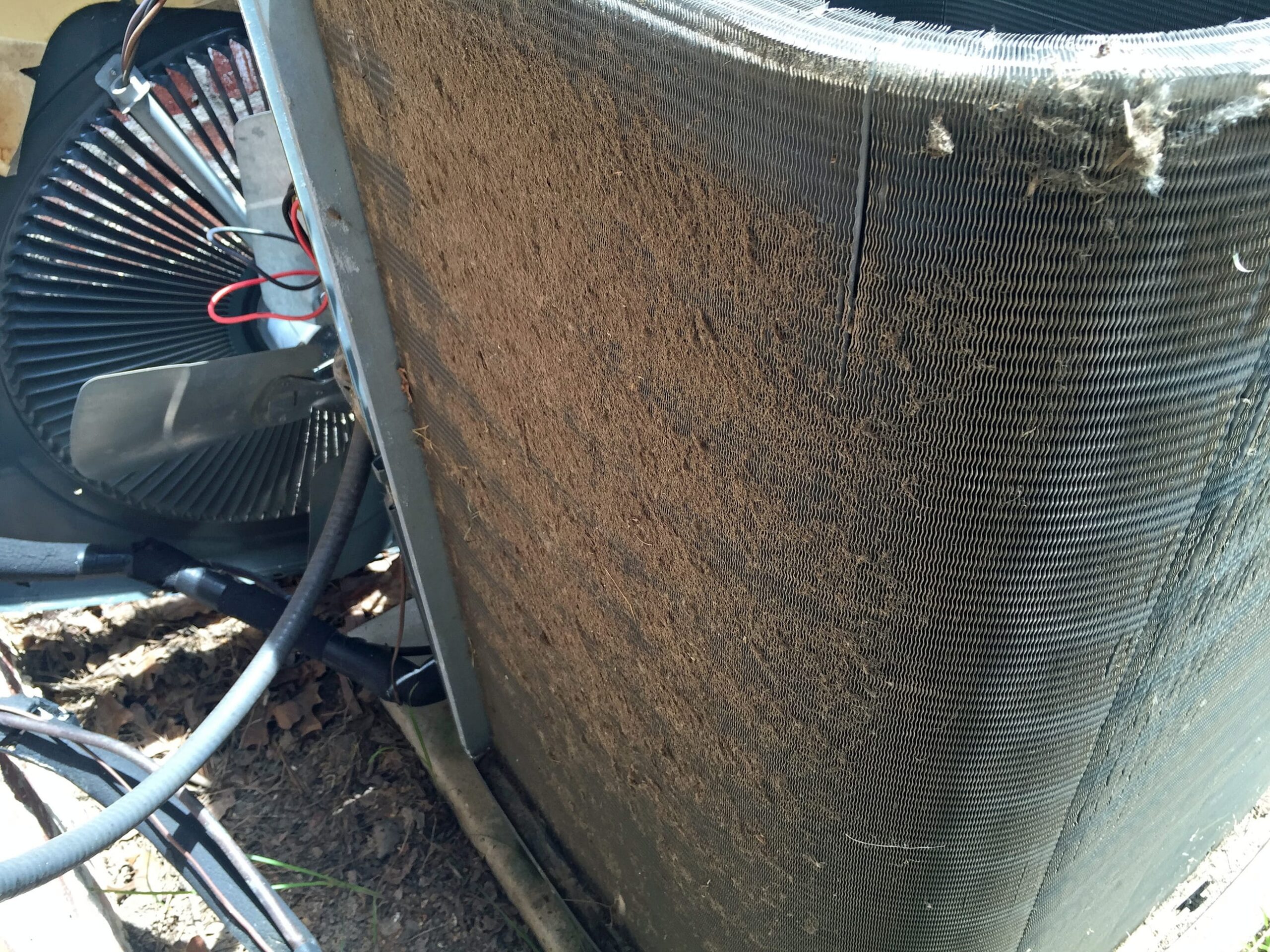
When either coil becomes covered in residue, dust, pollen, or other debris, heat transfer becomes less effective. That forces the system to run longer and work harder.
What Causes Dirty AC Coils?
AC coils naturally collect buildup over time. Outdoor condenser coils are exposed to dirt, grass clippings, pollen, leaves, and windblown debris. Indoor evaporator coils may collect dust, pet hair, and particles that pass through a dirty or poorly fitted air conditioner filter.
Common causes include:
- Infrequent air filter replacement
- Dust and debris entering the system
- Landscaping too close to the outdoor unit
- Heavy pollen or desert dust
- Mold and mildew growth
- Poor indoor air quality
- Lack of routine cleaning
- Skipped AC tune-ups
Even a thin layer of dirt can interfere with heat transfer and reduce system efficiency.
Signs Your AC Coils May Be Dirty
Dirty coils don't always create an obvious problem. In many cases, system performance slowly declines over time and can cause:
Longer Cooling Cycles
If your air conditioner takes longer than usual to reach the thermostat setting, dirty coils may be limiting heat transfer. Longer cooling cycles increase energy consumption and place additional strain on the compressor and other system components.
Higher Energy Bills
When the system works harder to cool your home, energy use increases. A sudden or gradual rise in utility bills without a major change in weather or thermostat settings may indicate reduced cooling efficiency.
Weak Cooling Performance
Dirty coils may cause warm air from the vents, uneven temperatures, or reduced cooling capacity. The system may still run, but it may struggle to remove enough heat to keep the home comfortable.
Ice Formation
Restricted airflow or poor heat transfer can cause the evaporator coil to become too cold. A frozen evaporator coil may develop visible ice on the coil, refrigerant lines, or nearby components. Ice formation can also be caused by low refrigerant or refrigerant leaks, so professional inspection is recommended.
Unusual Noises
An overworked system may produce unusual noises as components operate under greater stress. You may hear buzzing, rattling, or changes in the normal sound of the compressor or blower.
Unpleasant Odors
Moisture, residue, and organic material on the evaporator coil can create conditions for mold and mildew growth. This may produce unpleasant odors when the air conditioner runs and contribute to indoor air quality concerns.
Water Near the Indoor Unit
A dirty or frozen evaporator coil can produce excess water when the ice melts. That water may overwhelm the condensate drain pan or drain line and leak around the indoor unit.
Can You Clean AC Coils Yourself?
Some basic DIY AC maintenance may be possible for homeowners who are comfortable working around HVAC equipment. However, coil cleaning should always be performed carefully.
Before beginning any cleaning process:
- Turn off the thermostat.
- Shut off power at the circuit breaker.
- Follow the manufacturer’s instructions.
- Wear protective gloves and goggles.
- Avoid bending the coil fins.
For an outdoor condenser coil, you may need a screwdriver or nut driver to remove the outer cover or grille. Use a vacuum cleaner with a soft brush attachment to remove loose debris. Use a garden hose with a spray nozzle to rinse condenser coils. Avoid high pressure, which can damage the fins.
Foaming AC coil cleaners and non-foaming AC coil cleaners are also available. Some products, such as CRC® foaming coil cleaner, require a specific dwell time before rinsing. Always verify that a chemical coil cleaner is approved for your equipment.
Indoor evaporator coil cleaning is often more complicated. The coil may be difficult to access, and improper cleaning can damage electrical components, the expansion valve, drain pan, or refrigerant lines. For that reason, evaporator coil cleaning is usually best left to an HVAC technician.
How Professionals Clean AC Coils
A professional cleaning usually begins with a visual inspection of the evaporator coil, condenser coils, air filter, condensate drain pan, and drain line. The technician may:
- Remove loose dust and debris
- Apply an approved AC coil cleaner
- Allow the required dwell time
- Rinse or remove residue
- Straighten bent fins with a fin comb
- Check the air filter
- Inspect the condensate drain system
- Test system airflow
- Check refrigerant levels
- Perform refrigerant leak detection
- Measure performance metrics before and after cleaning
This process helps restore heat transfer and identify other issues that may be affecting cooling performance.
How to Prevent Dirty AC Coils
Proper coil maintenance starts with keeping contaminants away from the system. To prevent dirty AC coils:
- Replace air filters regularly
- Follow an HVAC filter maintenance guide
- Keep the outdoor unit clear of weeds and debris
- Leave adequate space around condenser coils
- Schedule an annual inspection
- Watch for changes in cooling cycles
- Track unusual increases in energy bills
- Check for ice, water, or unpleasant odors
- Follow the equipment manual
Maintenance may also be required to preserve certain warranty protections. Scheduling seasonal maintenance with a professional HVAC technician is also paramount.
When Should You Call an HVAC Technician?
Call a professional if you notice ice formation, refrigerant leaks, weak airflow, water around the unit, unusual noises, or repeated performance problems. You should also schedule service if the coils are difficult to access or if you're unsure which cleaning products are safe for your equipment.
A technician can determine whether the issue is simply dirt buildup or a larger problem involving airflow, refrigerant, drainage, or electrical components.
Keep Your AC Running Efficiently with Dr. Cool
Dirty coils make your air conditioner work harder than necessary. Left untreated, buildup can increase energy costs, reduce cooling performance, and contribute to costly system damage.
Dr. Cool can inspect and clean your evaporator and condenser coils, check your air filter and drain system, and identify other issues affecting efficiency. Schedule an AC tune-up today to help your system deliver reliable cooling throughout the hottest months.
Call Dr. Cool at (702) 608-6913 or schedule your professional HVAC appointment online today.
Connect With Us
Our Contact Information
Reach Us by Phone or Email
If you prefer to speak directly with one of our technicians, don’t hesitate to contact us by phone or email. We’re available to assist you during business hours
Phone: (702) 873-1800
Email: info@drcoolservices.com
Business Hours:
Mon – Fri: 7:00 am – 9:00 pm
Sat – Sun: 8:00 am – 5:00 pm
