
Upgrading your kitchen sink faucet or bathroom faucet is one of the most rewarding home improvement projects you can tackle. It instantly refreshes the look of your space and can even solve those annoying drips that drive up your water bill. If you have a little know-how and a Saturday morning, this DIY project is well within your reach.
At Dr. Cool, we want to be your easy button for home maintenance. While we are always ready to send a licensed plumber to handle the heavy lifting, we know many homeowners enjoy the satisfaction of a job well done. This step-by-step guide will walk you through a professional-grade faucet installation from start to finish.
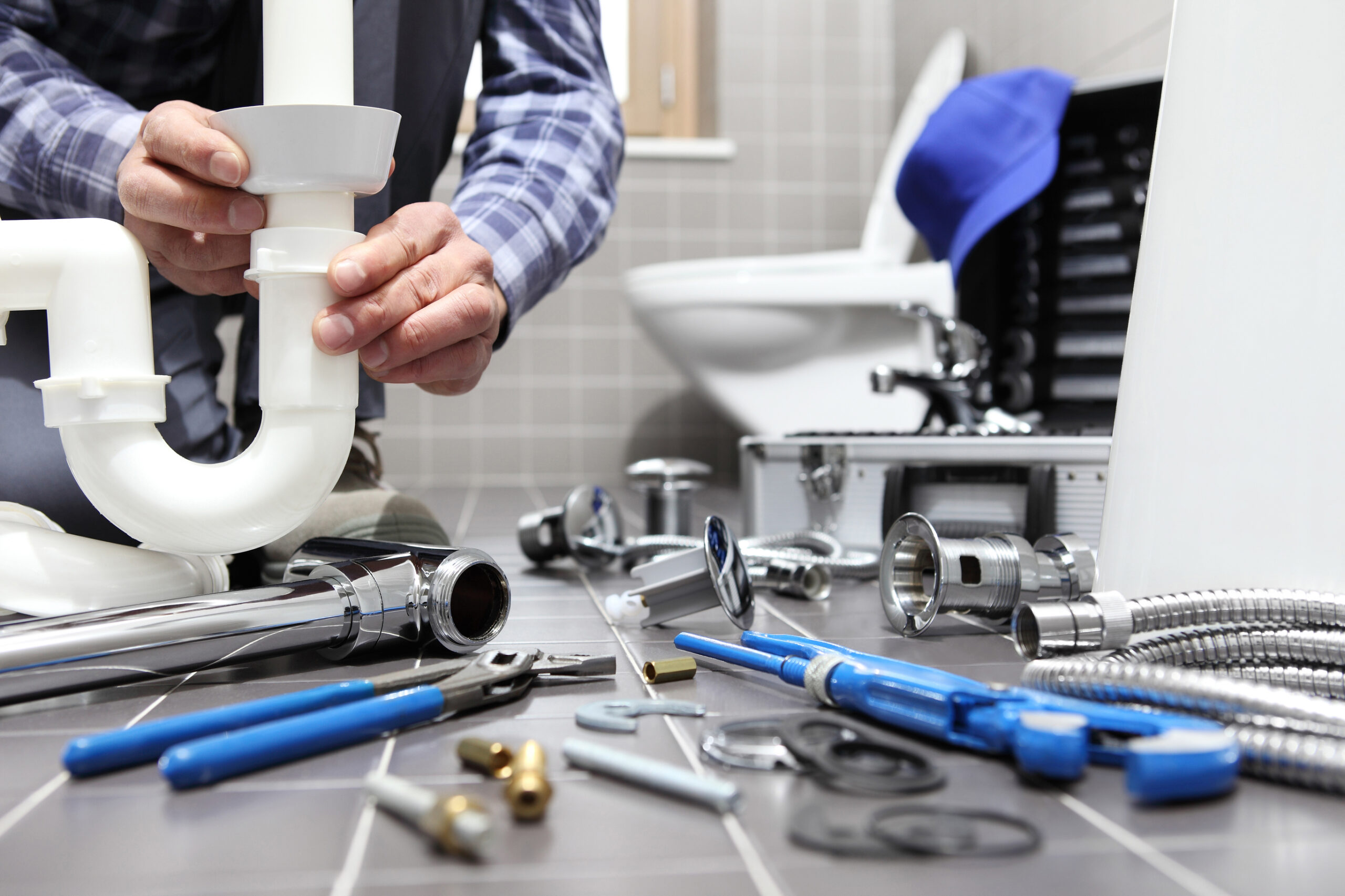
The DIY Toolbox: What You Will Need
Before you crawl under the sink, make sure you have these essential tools ready. Having everything on hand prevents those mid-project trips to the hardware store.
| Tool/Supply | What It Is Used For |
|---|---|
| Adjustable Wrench | Loosening and tightening water supply lines |
| Basin Wrench | Reaching mounting nuts in tight spaces behind the sink |
| Plumber’s Tape (Teflon) | Sealing threaded connections to prevent leaks |
| Plumber’s Putty or Caulk | Creating a watertight seal between the faucet and countertop |
| Bucket and Towels | Catching the remaining water in the lines |
| New Faucet | Your chosen replacement (brands like Moen are popular for warranties) |
Step 1: Preparation and Safety
The first rule of any plumbing project is to control the water flow.
- Locate the shut-off valves under the sink. Turn them clockwise to stop the water supply.
- After turning the shut-off valves, confirm the water is fully off by turning on the faucet. If water continues to flow steadily, the valve may not be seating properly, and you will need to shut off the main water supply to the house before proceeding.
- Turn on the old faucet to release any pressure and drain the remaining water into the sink.
- Clear out the cabinet under the kitchen sink or bathroom vanity so you have plenty of room to work.
Step 2: Disconnect the Water Supply Lines
Use your adjustable wrench to disconnect the hot water and cold water supply lines from the water valves. Place a bucket underneath before you unscrew them to catch any spills. If the supply lines are old or stiff, this is a great time to replace them with new ones to ensure long-term reliability.
Step 3: Remove the Old Faucet
This is usually the trickiest part of a faucet replacement.
- Use your basin wrench to reach up behind the sink and unscrew the mounting nuts that hold the faucet to the countertop. In Las Vegas, hard water often leaves mineral deposits that fuse mounting nuts in place. If the nut won't budge, spray it with a penetrating lubricant and wait 10 minutes before trying again.
- If you are working on a bathroom sink faucet, you may also need to disconnect the lift rod for the drain plug.
- Once the hardware is removed, lift the old faucet out from the top. Use a putty knife to gently scrape away any old plumber’s putty or caulk left on the sink surface.
Step 4: Install the New Faucet
Most modern faucets come with a rubber gasket to seal the base. If yours does not, apply a small bead of plumber’s putty around the bottom of the new faucet.
Faucet Type Note: Installation steps can vary slightly depending on your faucet type. Single-handle faucets typically have one supply line connection and a single mounting hole, while double-handle faucets have separate hot and cold connections and may require multiple mounting holes. Always refer to the manufacturer's instructions included with your specific model before starting this step.
Plumber’s Putty Note: If your sink is granite, marble, or cultured marble, use silicone caulk instead of plumber's putty because putty can stain natural stone surfaces.
- Feed the lines through the mounting holes.
- From underneath, slide the washer and mounting nuts onto the threaded shanks.
- Tighten them by hand first, then use your basin wrench to give them a final turn. Be careful not to over-tighten, as this can crack the sink or the gasket.
Step 5: Reconnect and Test
Now it is time to reconnect the plumbing.
- Wrap plumber's tape clockwise around the male threads of the supply line fittings before reconnecting.
- Screw the water supply lines onto the valves and tighten them with your adjustable wrench.
- Turn the water supply back on slowly. Check every connection for tiny drips.
- Remove the aerator from the end of the faucet and run both the hot and cold water for about a minute. This flushes out any debris that might have entered the lines during the DIY process.
- Screw the aerator back on, and you are finished!
Let Dr. Cool Handle the Harder Jobs
Sometimes a simple faucet installation turns into a bigger headache, especially in older homes where valves are frozen or pipes are corroded. If you run into a leak you can't stop or a tub faucet that requires opening up a wall, don't sweat it.
Dr. Cool provides expert plumbing services across the Las Vegas Valley. Our licensed plumbers will treat your home like their own and ensure every new faucet, fixture, or water line is installed with the utmost care. We are here to help when you need the know-how of a professional.
Stuck on your DIY project? Call Dr. Cool at (702) 608-6939 or schedule your professional faucet installation online today.
Connect With Us
Our Contact Information
Reach Us by Phone or Email
If you prefer to speak directly with one of our technicians, don’t hesitate to contact us by phone or email. We’re available to assist you during business hours
Phone: (702) 873-1800
Email: info@drcoolservices.com
Business Hours:
Mon – Fri: 7:00 am – 9:00 pm
Sat – Sun: 8:00 am – 5:00 pm
