While the Las Vegas Valley is famous for its scorching summers, homeowners know that desert winter nights can get surprisingly chilly. Choosing the right furnace for your property ensures you stay cozy without your energy costs skyrocketing. The options for home heating are more efficient and varied than ever before.
Understanding the different types of furnaces and how they interact with your HVAC system is the first step toward making a smart investment. This guide breaks down the most common furnace types, their efficiency ratings, and which homes they serve best.
Natural Gas Furnaces
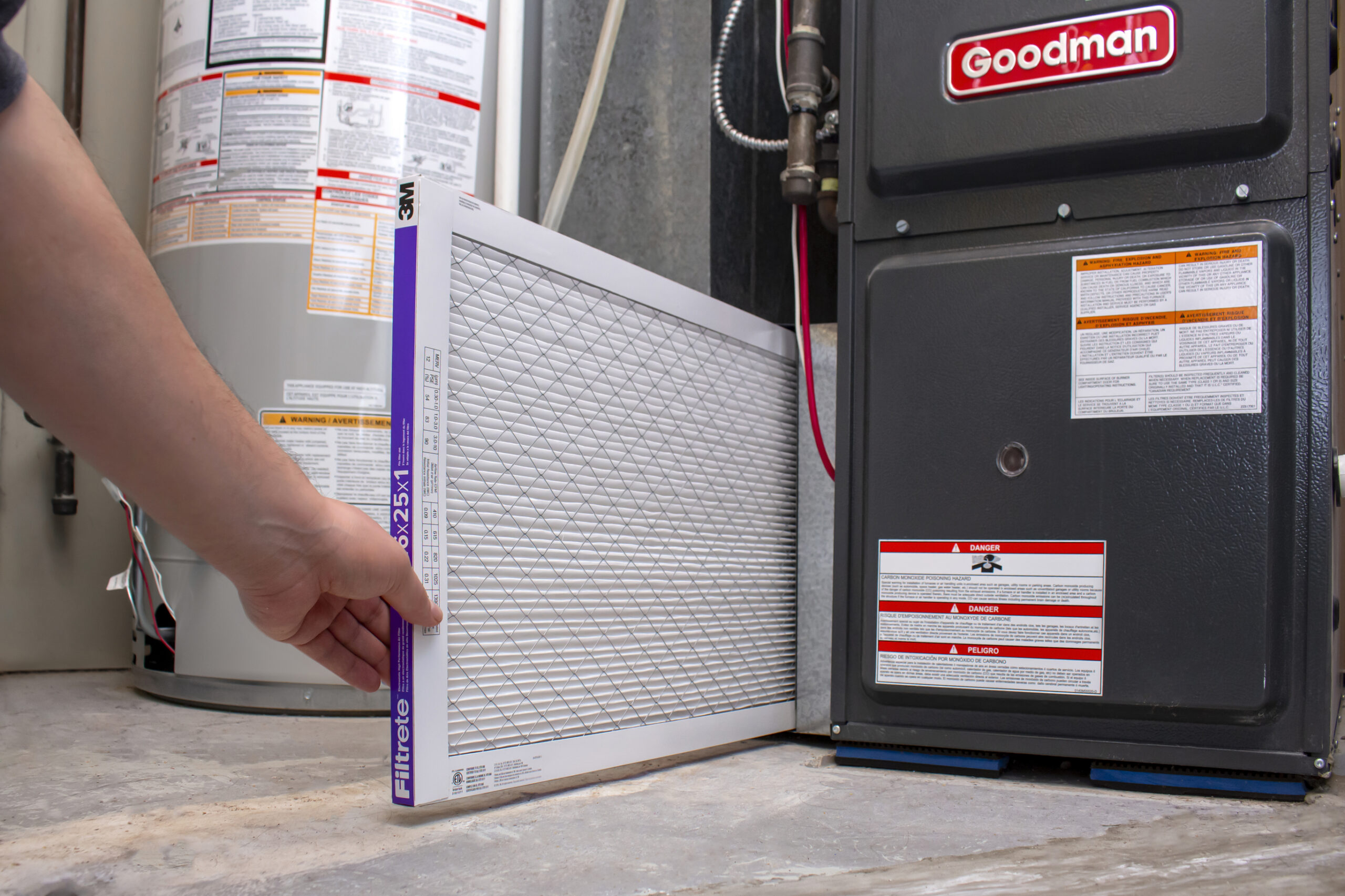
Natural gas furnaces are the most popular choice for homes with access to natural gas lines. These systems work by igniting gas in a burner assembly. The heat is then transferred through the heat exchanger to the air, which a blower pushes through your ductwork, keeping combustion gases safely separate from your indoor air.
- Benefits: They offer the lowest operating costs in areas where gas is affordable. Modern high-efficiency furnace models boast an AFUE rating of up to 98%, meaning almost no fuel is wasted.
- Drawbacks: They require a connection to a utility gas line and regular inspections to prevent carbon monoxide leaks.
- Best For: Most suburban homes in the Las Vegas area that already have gas hookups.
Electric Furnaces
If your home does not have gas lines, an electric furnace is a common alternative. These units use heating elements to warm the air.
- Benefits: The upfront cost for an electric furnace installation is generally lower than that of a gas furnace. They also have a longer lifespan because they have fewer key components that can fail over time.
- Drawbacks: Electricity is often more expensive than gas, leading to higher monthly heating costs. Also common in Las Vegas condos and high-rise units, where individual gas connections are unavailable.
- Best For: Smaller homes, apartments, or regions with very mild winters where the furnace is rarely used.
Propane Furnaces
In rural areas where natural gas is unavailable, propane furnaces are an excellent alternative. These function similarly to gas models but use a storage tank on the property as the fuel source.
- Benefits: Propane has a higher energy content per unit than natural gas, but properly sized propane and gas furnaces deliver similar heating performance to the home.
- Drawbacks: You must monitor the tank level and schedule fuel deliveries. Propane prices can also fluctuate more than utility gas.
- Best For: Off-grid homes or properties on the outskirts of town without municipal gas access.
Oil Furnaces
While very common in cold climates like the Northeast, oil furnaces are rare in the Southwest. They require a storage tank and the delivery of heating oil.
- Benefits: They provide high heat and are very rugged.
- Drawbacks: They produce more emissions than gas and require more frequent heat exchanger cleaning to maintain good indoor air quality.
- Best For: Older homes in remote, extremely cold regions. This is rarely, if ever, the right choice for Las Vegas homeowners and is included here for completeness only.
Comparing Efficiency: The AFUE Rating
When shopping for a new furnace, the most important number you will see is the annual fuel utilization efficiency (AFUE). This efficiency rating tells you exactly how much of the fuel type is converted into heated air for your home versus how much escapes through the flue.
| Furnace Type | Average AFUE Range | Efficiency Level |
|---|---|---|
| Standard Gas | 80% | Mid-Efficiency |
| High-Efficiency Gas | 90% to 98% | High Efficiency |
| Electric Furnace | 95% to 100% | High Efficiency |
| Oil Furnace | 80% to 90% | Mid-Efficiency |
Alternative Options: Heat Pumps and Boilers
In 2026, many homeowners are moving away from traditional furnaces entirely.
- Heat Pump: A heat pump acts as both an air conditioner and a heating system. It moves heat rather than generating it, making it incredibly cost-effective for the local climate in Las Vegas.
- Boilers: These systems heat water for space heating and distribute it through radiators or radiant floor tubing. This is rare in Las Vegas, where forced air systems dominate.
Let Dr. Cool Help You Choose Your Next Heating System
At Dr. Cool, we know that every family has specific needs, and choosing between different types of furnaces can be overwhelming. Our HVAC experts will assess your ductwork, your budget, and your heating needs to recommend the perfect fit.
We focus on energy efficiency and manufacturers’ warranties on every new furnace we install. We handle the technical details like airflow calibration and thermostat integration so you can focus on staying warm on those chilly desert nights.
Ready to find the right furnace for your home? Call Dr. Cool at (702) 608-6939 or schedule your professional heating consultation online today.
Connect With Us
Our Contact Information
Reach Us by Phone or Email
If you prefer to speak directly with one of our technicians, don’t hesitate to contact us by phone or email. We’re available to assist you during business hours
Phone: (702) 873-1800
Email: info@drcoolservices.com
Business Hours:
Mon – Fri: 7:00 am – 9:00 pm
Sat – Sun: 8:00 am – 5:00 pm
