
A slow draining sink is one of the most common plumbing problems homeowners face. Whether it’s your bathroom sink or kitchen sink, sluggish drains are usually a sign that something is restricting water flow.
The good news? Many minor clogs can be cleared with simple troubleshooting. But if slow drains keep coming back, it may be time to call a plumber to identify a larger issue within your plumbing system.
Key Takeaways
- A slow draining sink is often caused by hair, soap scum, grease, or other debris creating a clog.
- Simple DIY methods like hot water, a plunger, or a drain snake may clear minor blockages.
- Recurring slow drains can indicate a deeper problem in the drain line or vent pipes.
- Professional drain cleaning can restore proper flow and help prevent future clogs.
What Causes a Slow Draining Sink?
Most slow drains develop gradually as debris builds up inside the drain pipe. Over time, this buildup narrows the opening and slows the flow of water.
Some of the most common causes include:
- Hair
- Soap scum
- Toothpaste residue
- Food debris
- Grease
- Mineral buildup
- Foreign objects
The location of the clog often determines the best solution.
Bathroom Sink Clogs
A bathroom sink drain commonly becomes clogged with a combination of hair, soap residue, and toothpaste. Hair clogs tend to wrap around the sink stopper or pop-up assembly, catching additional debris until water can no longer drain freely.
If your bathroom sink drains slowly, inspecting and cleaning the stopper is often the first step.
Kitchen Sink Clogs
Kitchen sinks collect a different type of debris. Grease, food scraps, and coffee grounds can accumulate inside the drain line. If your sink is connected to a garbage disposal, food waste that isn't ground properly may also contribute to a clog.
Avoid putting grease, fats, or fibrous foods down the disposal to help prevent future drainage problems.
How to Fix a Slow Draining Sink
If you're wondering how to properly clean your drains to fix a slow draining sink, start with the least invasive methods before moving on to more advanced solutions.
Flush the Drain With Hot Water
For minor buildup, running hot water through the drain for several minutes may help dissolve soap residue and loosen small accumulations.
For kitchen sinks, avoid using boiling water if you have PVC plumbing, as excessive heat can damage different plumbing pipes.
Try Baking Soda and Vinegar
Many homeowners use baking soda and vinegar as a natural cleaning solution.
Pour about half a cup of baking soda into the drain, followed by one cup of white vinegar. Allow the mixture to fizz for 15 to 30 minutes before flushing with hot water.
While this method won't remove large clogs, it can help break down light organic buildup and reduce odors.
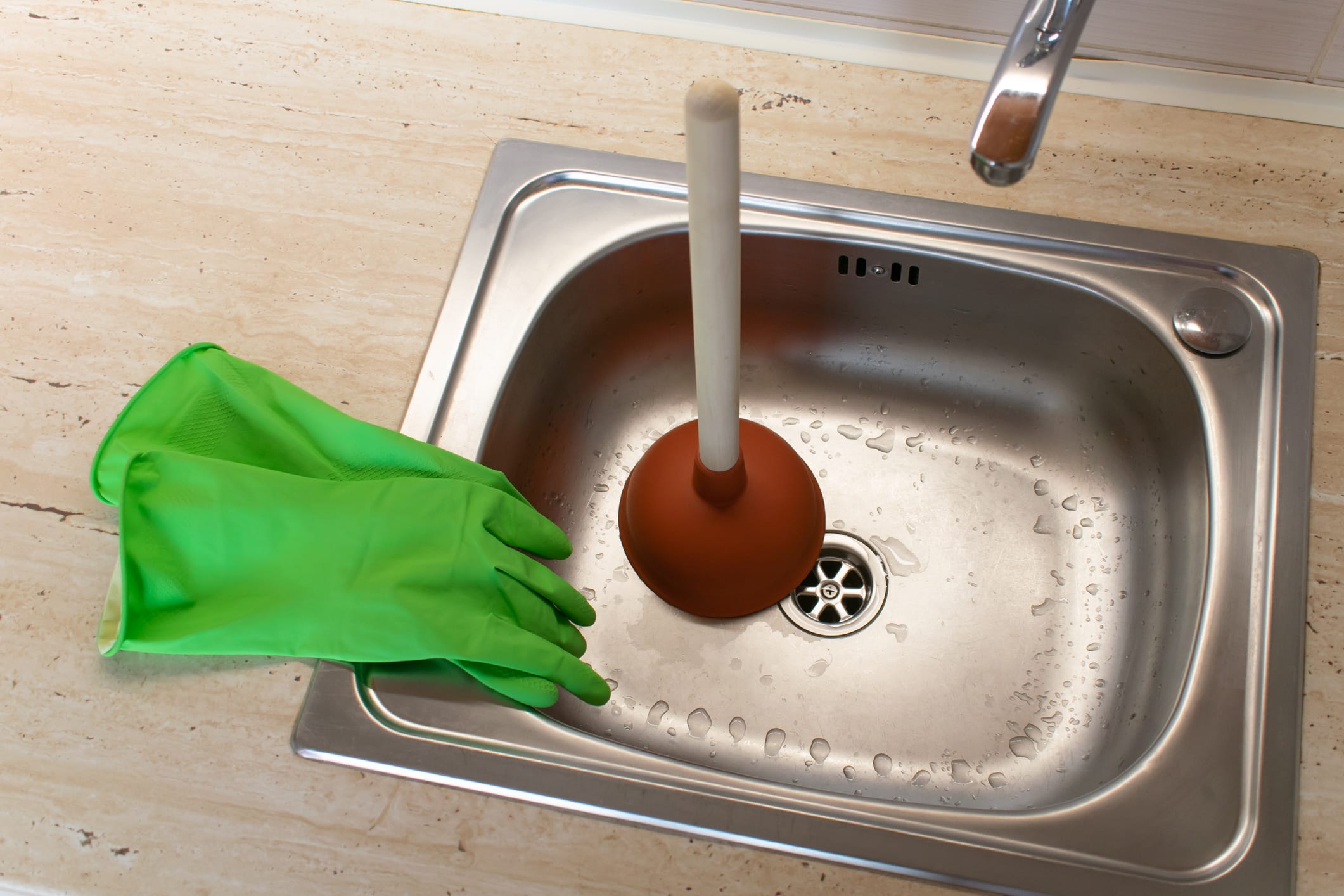
Use a Plunger
A plunger can often loosen a clog located near the drain opening. Add enough water to cover the plunger cup, create a tight seal, and plunge several times before checking whether the sink drains more freely.
A sink plunger works best on shallow blockages.
Remove Hair Around the Stopper
For bathroom sinks, remove the pop-up stopper if possible. Hair frequently wraps around the stopper mechanism, creating stubborn hair clogs that are easy to overlook.
Cleaning the stopper alone may restore normal drainage.
Use a Drain Snake
If the clog is deeper inside the pipe, a drain snake may be the next step.
Carefully feed the snake into the drain until you encounter resistance. Rotate the tool to break apart or retrieve the clog before slowly pulling it back out.
This method is often effective for removing hair and other debris trapped inside the drain pipe.
Check the P-Trap
The P-trap is the curved section of pipe beneath the sink. If other methods don't work, place a bucket underneath, loosen the fittings with a wrench, and inspect the trap for accumulated debris. Cleaning the P-trap can often eliminate stubborn clogs that are just below the sink.
When Slow Drains Mean a Bigger Problem
If multiple fixtures drain slowly, the issue may extend beyond a single sink.
Possible causes include:
- A blocked drain line
- Clogged vent pipes
- Sewer line problems
- Tree root intrusion
You may also hear your drains gurgle, notice water backing up in other fixtures, or experience recurring clogs throughout the home.
These symptoms typically require professional diagnosis.
Should You Use Chemical Drain Cleaners?
Many chemical drain cleaners promise to unclog a sink quickly, but they can be harsh on your plumbing.
Repeated use may damage older pipes, especially if the clog remains in place.
Similarly, some homeowners use hydrogen peroxide as a household drain cleaner, but it's generally less effective than mechanical cleaning methods for stubborn clogs.
If DIY solutions don't resolve the problem, professional drain cleaning is often the safer option.
How to Prevent Future Clogs
Preventing clogs is easier than dealing with a backed-up sink.
A few simple habits can help:
- Clean sink stoppers regularly.
- Avoid pouring grease down kitchen drains.
- Use drain screens to catch hair.
- Flush drains periodically with hot water.
- Limit what goes into your garbage disposal.
Cleaning drains often can help keep them flowing freely.
Trust Dr. Cool for Professional Drain Cleaning
If your slow draining sink keeps coming back or multiple drains are slowing down, Dr. Cool can help. Our experienced plumbers use professional equipment to locate stubborn clogs, restore proper drainage, and identify larger plumbing issues before they become costly repairs.
Whether you need drain cleaning or plumbing repairs, call Dr. Cool at (702) 608-6939 or schedule your plumbing service online today.
Connect With Us
Our Contact Information
Reach Us by Phone or Email
If you prefer to speak directly with one of our technicians, don’t hesitate to contact us by phone or email. We’re available to assist you during business hours
Phone: (702) 873-1800
Email: info@drcoolservices.com
Business Hours:
Mon – Fri: 7:00 am – 9:00 pm
Sat – Sun: 8:00 am – 5:00 pm