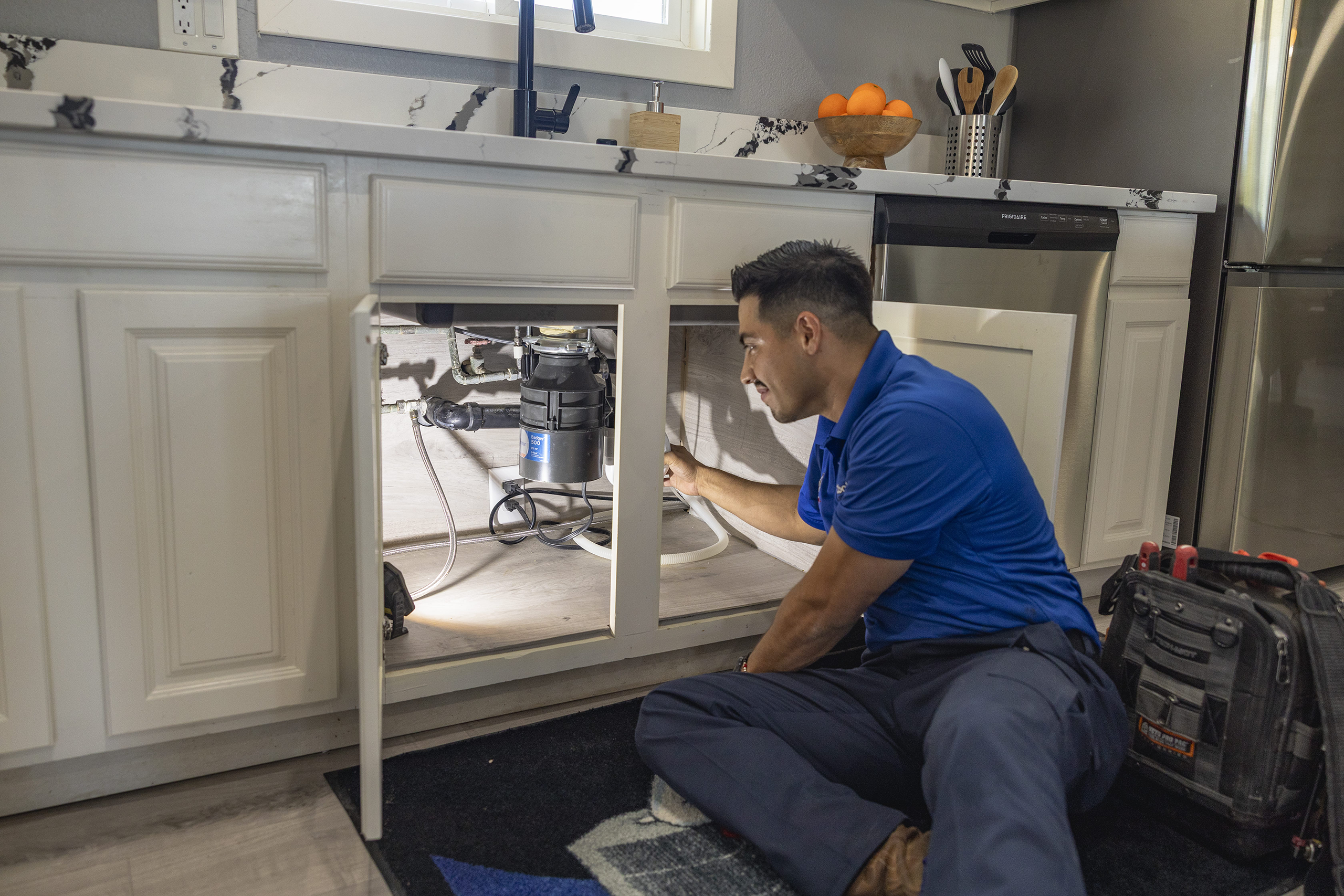
If you have ever looked at the water line under your sink or behind your toilet, you have seen compression fittings at work. These little connectors allow you to join two pipes without heat or special tools. Understanding how these special pipe fittings work can save you a lot of time and stress during your next DIY project. Whether you are installing a new shut-off valve or connecting a pressure gauge, this guide will walk you through everything you need to know about compression fittings.
What are Compression Fittings?
A compression fitting is a type of coupling used to join two pipes together or to connect a pipe to a fixture without soldering, welding, or flaring. Compression fittings allow you to attach pipes to fixtures like ball valves or strainers without heat, flanges, o-rings, or gaskets, and still create a watertight seal.
Every standard compression fitting consists of 3 key components:
- Fitting Body: The main part where the pipe is inserted.
- Compression Sleeve (Ferrule): A small ring, often made of brass, that slides over the pipe.
- Compression Nut: The threaded piece that tightens everything together.
How Compression Fittings Work
The key to the watertight seal is the compression nut. As the compression nut is screwed onto the fitting body, the ferrule is pushed into a tapered area. This force pushes the ferrule down and compresses it against the pipe, creating a watertight seal.
Benefits of Using Compression Fittings
For many homeowners, compression fittings are the preferred adaptor option for several reasons:
- No Heat Required: You can skip the torch and the risks that come along with soldering.
- Easy Disassembly: If you need to replace a fixture later, disassembly is as simple as unscrewing the nut.
- Versatility: They work with various materials, including copper tubing, PVC, and stainless steel.
- Corrosion Resistance: Most high-quality brass or stainless steel fittings offer excellent corrosion resistance, which is vital for the hard water we deal with in Las Vegas.
Common Applications and Types
In modern plumbing, you will find these fittings used in everything from manifolds to check valves. They are also common in pneumatic systems and metric-sized lines for specialized equipment.
| Fitting Type | Common Use |
|---|---|
| Compression Union | Joining two straight sections of pipe. |
| Swivel Connector | Connecting a water line to a faucet or water heater. |
| Bulkhead Fitting | Passing a pipe through a tank or wall. |
| Quick Disconnects | Frequently used in hose fittings or air lines for fast changes. |
| Thermocouple Adaptor | Used in heating systems to hold a thermocouple in place. |
When to Call in the Professionals
While compression fittings are great for most connections, there are situations that call for heavier-duty sealants. If you are dealing with certain high-pressure water lines or flexible tubing, a compression fitting might not be enough to create a seal. For these instances, Dr. Cool is here to professionally replace fittings and install new fixtures quickly and easily. At Dr. Cool, we take the stress out of plumbing with honest, upfront pricing and a 100% satisfaction guarantee. We handle the dirty work so you can enjoy a leak-free home.
Notice a slow drip from your compression fittings? Call Dr. Cool at (702) 608-6939 or schedule your professional plumbing service online today.
Connect With Us
Our Contact Information
Reach Us by Phone or Email
If you prefer to speak directly with one of our technicians, don’t hesitate to contact us by phone or email. We’re available to assist you during business hours
Phone: (702) 873-1800
Email: info@drcoolservices.com
Business Hours:
Mon – Fri: 7:00 am – 9:00 pm
Sat – Sun: 8:00 am – 5:00 pm
