
Every day, your water heater quietly works hard to provide hot water for every fixture in your home, from your shower head to your kitchen faucet. But deep inside your water heater, a silent war is being fought against corrosive elements to ensure your warm water stays clean. There is one tiny component that keeps the whole system safe: the anode rod.
So, what exactly is an anode rod? This guide will cover exactly what these sacrificial anode rods do, why they matter for the life of your water heater, and the basic upkeep they require.
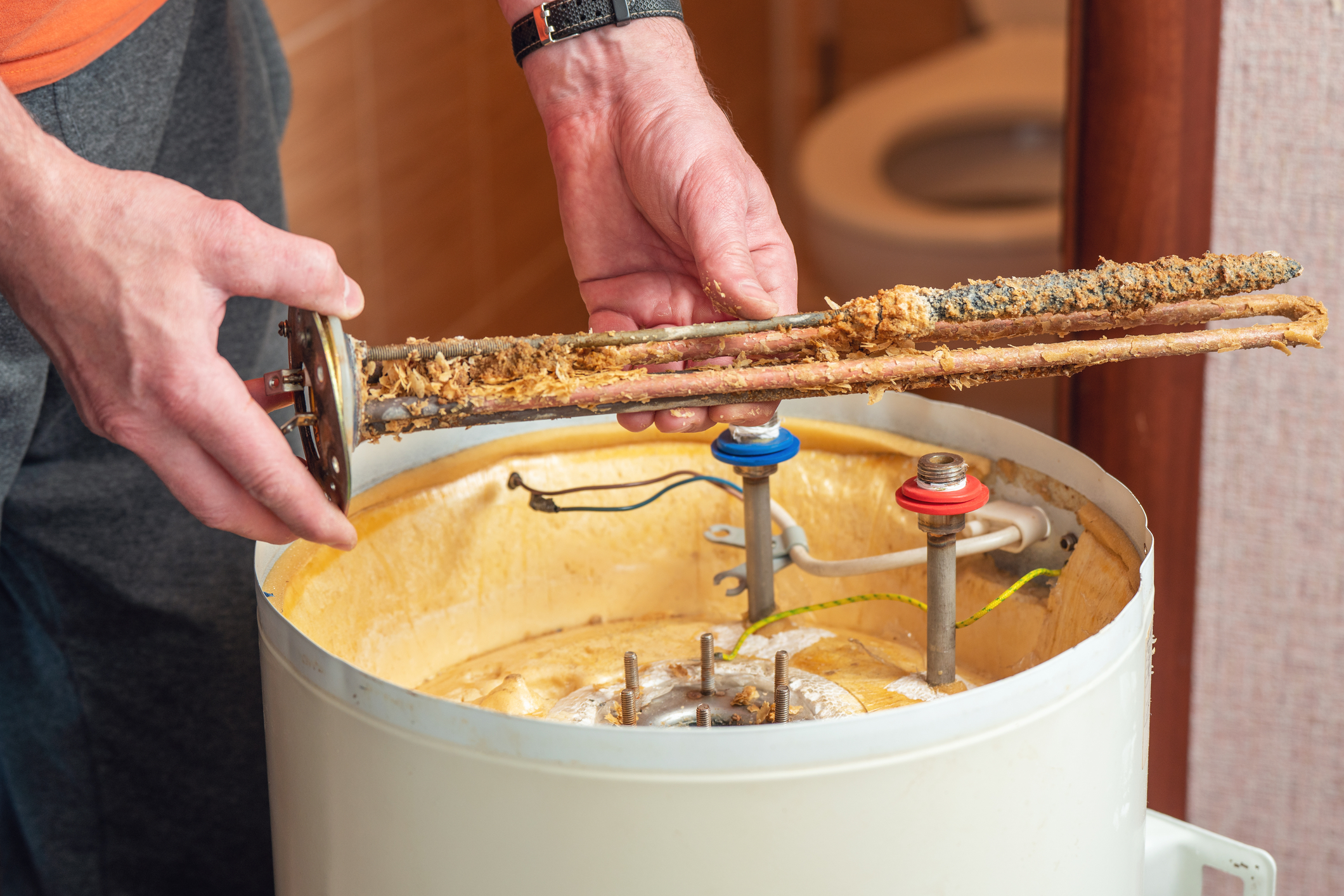
What Do Water Heater Anode Rods Do?
An anode rod, also known as a sacrificial rod, is a long, narrow metal rod attached to the top of the water heater and extending deep into the water heater tank. Anode rods are made out of highly reactive metal, usually magnesium or an aluminum alloy, that attracts rust. Since most water heater tanks are made out of steel, a material that naturally rusts and corrodes when exposed to a constant stream of hot water and cold water, the anode rod is supposed to act as a shield for the steel.
To effectively protect the steel, the anode rod continuously releases electrons into the tank's water. These electrons neutralize harmful minerals, forcing the water to eat away at and corrode the anode rod rather than the tank walls.
Why It Matters: The Lifespan Factor
Properly maintaining your water heater is even more essential in Las Vegas because of the high mineral count in our local water supply. Our notoriously hard water accelerates damage across your plumbing system, and the water heater is no exception.
The standard water heater tank has an expected lifespan of 8 to 12 years. However, proper maintenance, such as replacing the degraded anode rod, can extend your unit's lifespan to 15 years. If you allow the anode rod to dissolve completely, the water will immediately start corroding the steel tank. Once the tank corrodes through, it cannot be fixed with a simple water heater repair; you will need a whole new water heater.
Keeping an eye on your anode rod will also help you keep your water heater’s factory warranty valid since many manufacturers void warranties on units that have not been properly maintained.
Different Types of Anode Rods
Depending on your specific water conditions and plumbing setup, a plumber will typically recommend one of several water heater anode rods.
| Type of Rod | Best Used For | Primary Benefit |
|---|---|---|
| Magnesium Anode Rods | Standard residential setups with good water quality. | Highly reactive, it provides the strongest overall protection for the tank. |
| Aluminum Anode Rods | Properties dealing with extremely hard water or high mineral counts. | Less expensive and degrades at a slower rate in harsh water. |
| Zinc Alloy Rods | Homes are experiencing a distinct rotten-egg smell in their hot water. | Zinc helps eliminate sulfur-producing bacteria that cause foul odors. |
Note: If your home uses tankless water heaters, your system operates on a completely different framework and does not require an anode rod. However, if you upgraded to a hybrid heat pump tank system, you still need to attend to the rod periodically.
Signs You Need to Replace Your Anode Rod
On average, you should replace your anode rod every 3 to 5 years. With that said, if you use a water softener, the added salt will increase water conductivity, causing the anode rod to corrode more quickly than usual.
Here are a few signs that mean it’s time to replace your anode rod:
- Visible Core Wire: If you pull out the rod and see more than 6 inches of the steel support wire, or if the anode rod has a diameter of less than 1/2 inch, it is time for a replacement.
- A Rotten Egg Smell: If your hot water starts to smell like sulfur, the active metals are likely spent or reacting poorly with bacteria.
- Rusty Water: Discolored water coming from your faucet indicates that the steel tank walls are beginning to rust and corrode, meaning that the anode rod is completely corroded.
- Popping or Knocking Noises: A loud clicking or popping sound during a heating cycle means calcium and sediment build-up have buried the bottom of the rod and the heating elements.
Inspecting and Replacing the Rod
To inspect the anode rod to see if you need a replacement, follow these steps:
- Turn Off Your Power and Water: Turn off the water supply to your water heater. Next, for gas water heaters, turn the gas valve to ‘off’ or ‘pilot’. If you have an electric water heater, turn the power off at your breaker box.
- Drain Some Water and Release Pressure: Turn on a faucet in your house and open the hot water side to relieve pressure in the system. Next, connect a garden hose to the drain valve at the bottom of the water heater tank and drain a few gallons of water so the water level drops below the top of the tank.
- Unscrew the Anode Rod: Find the anode rod on the top of the water heater, secured by a hex-head bolt. The bolt is sometimes hidden under a plastic cap or insulation. Use a socket wrench to unscrew the bolt and rod.
- Inspect the Anode Rod: Pull it out with caution, as it may still be hot. If the rod is less than 1/4 to 1/2 inch thick or looks like a thin, chewed-up wire covered in white calcium chunks, it is time to replace it with a new anode rod. If you prefer to avoid the heavy lifting and the risk of damaging your water lines, calling in an expert is always the safest bet.
- Refill the Tank: Before you turn the gas or power back on, turn the water supply to the water heater on. Go to a faucet and turn the hot water on to release any air trapped in the system. Wait until a steady stream of water flows out, which confirms that the tank is full. Once this is confirmed, turn the gas or electricity back on.
Let Dr. Cool Handle Your Water Heater Services
At Dr. Cool, we want to take the stress out of plumbing maintenance. Whether you need your water heater repaired with a replacement anode rod or need a new water heater installation for added energy efficiency, we’re here to make the process as easy and stress-free as possible. We make water heater services easy with clear and honest upfront pricing and a 100% satisfaction guarantee on all of our work, so you can rest assured knowing your plumbing system is in the right hands.
Want to extend the life of your water heater and keep your hot water running smoothly? Call Dr. Cool at (702) 608-6939 or schedule your professional water heater inspection online today.
Connect With Us
Our Contact Information
Reach Us by Phone or Email
If you prefer to speak directly with one of our technicians, don’t hesitate to contact us by phone or email. We’re available to assist you during business hours
Phone: (702) 873-1800
Email: info@drcoolservices.com
Business Hours:
Mon – Fri: 7:00 am – 9:00 pm
Sat – Sun: 8:00 am – 5:00 pm
