A burst pipe can quickly turn into a homeowner’s worst nightmare. Whether caused by freezing temperatures, older plumbing, or excessive water pressure, a broken pipe can release gallons of water into your home in a matter of minutes, leading to extensive water damage and costly repairs.
Knowing what to do when a pipe bursts can help minimize damage, protect your property, and get your plumbing system back to normal as quickly as possible.
Key Takeaways
- If a pipe bursts at your home, shut off the main water supply immediately.
- Contact a professional plumber for pipe repair as soon as possible.
- Acting quickly can help prevent further damage and reduce repair costs.
Signs of a Burst Pipe
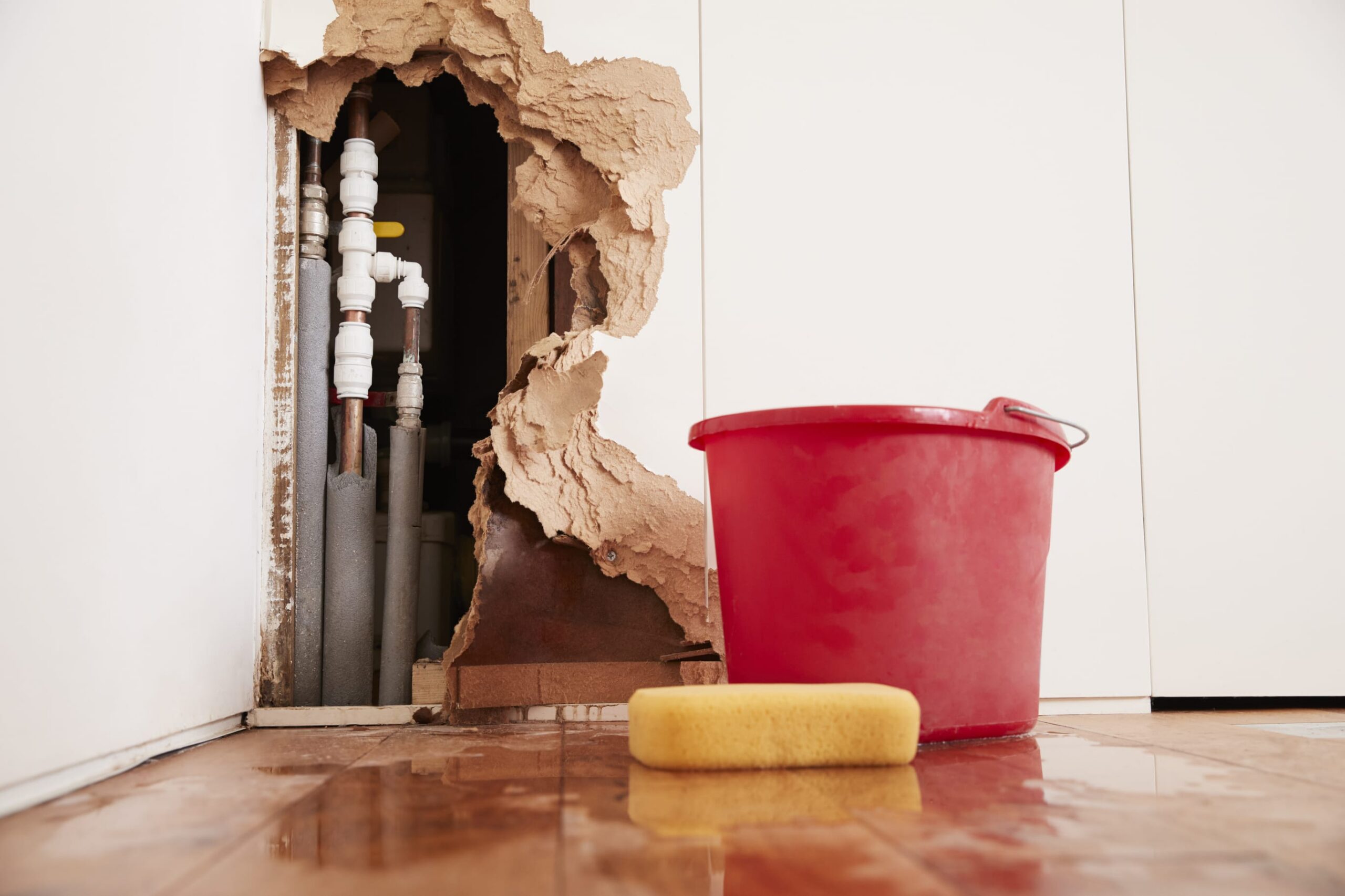
Not every plumbing pipe is immediately visible. Some breaks occur behind drywall, under floors, or in crawl spaces.
Common signs of a burst pipe include:
- Sudden drops in water pressure
- Unexplained increases in water bills
- Water stains on walls or ceilings
- Puddles or standing water indoors
- Sounds of running water when fixtures aren't in use
- Damp drywall or flooring
- A noticeable water leak near plumbing fixtures
If you suspect a burst pipe, acting quickly can help limit water damage and reduce repair costs.
What to Do if a Pipe Bursts
Follow these steps to take action immediately if a pipe bursts in your home.
Step 1: Shut Off the Water Supply
The first thing homeowners should do when a pipe bursts is stop the flow of water. Locate and turn off your home's main water supply using the main water shut-off valve. This valve is often located near the water meter, where the water main enters the house, or in a utility room.
Stopping the water flow immediately can significantly reduce water damage and help prevent further damage to your home.
Step 2: Turn Off Electricity if Necessary
If water is approaching electrical outlets, appliances, the electrical panel, or other electrical systems, turn off power to the affected area if it is safe to do so.
Never step into standing water if there is a risk of electrical hazards. If you are uncertain about safety, contact emergency professionals before entering the area.
Step 3: Drain Remaining Water
After shutting off the main water supply, open faucets throughout the home to drain remaining water from the plumbing system.
Turn on both hot water and cold-water faucets to relieve pressure and help empty the damaged pipe. This can reduce additional leaking and make repairs easier.
If the burst pipe is connected to your water heater, shutting down the water heater may also be recommended until repairs are completed.
Step 4: Remove Standing Water
The faster you remove water, the better your chances of avoiding mold growth and structural damage.
Depending on the amount of water present, you may use:
- Mops
- Towels
- A wet/dry vacuum
- Pumps for larger flooding situations
Be sure to move valuables, furniture, and personal belongings away from the affected area to prevent additional damage.
Step 5: Dry the Area
Even after visible water is removed, moisture can remain trapped in flooring, drywall, and other building materials.
Use fans and dehumidifiers to help dry the space thoroughly. Pay special attention to crawl spaces, basements, wall cavities, and areas around furniture. Proper drying is essential to prevent mildew, mold growth, and costly remediation efforts later.
Step 6: Call a Professional Plumber
A professional plumber can locate the source of the problem, assess the condition of your plumbing system, and perform the necessary pipe repair safely.
Depending on the situation, repairs may involve replacing a damaged pipe section, repairing a water valve, clearing a blockage, or addressing larger plumbing problems within the home.
Common Causes of Pipe Bursts
Understanding what causes pipes to fail can help homeowners prevent future issues.
Frozen Pipes
Frozen pipes are one of the most common causes of pipe bursts. When water inside a pipe freezes, it expands and creates pressure that can crack or rupture the water pipe.
Exposed pipes in unheated areas such as attics, garages, crawl spaces, and exterior walls are particularly vulnerable during freezing temperatures.
High Water Pressure
Excessive water pressure can place stress on pipes and plumbing connections over time. If pressure levels become too high, weak areas may eventually fail.
Older Plumbing
Aging plumbing materials can deteriorate and become more susceptible to leaks and bursts. Older plumbing systems may require more frequent inspections and upgrades.
Clogs and Blockages
Severe clogs can increase pressure inside pipes and contribute to failures. This is especially true in drain lines and sewer line systems.
Protecting Your Home After a Burst Pipe
Once repairs are complete, consider taking steps to prevent future issues:
- Insulate exposed pipes in unheated areas.
- Maintain a consistent thermostat setting during cold weather.
- Schedule regular plumbing inspections.
- Address small leaks promptly.
- Monitor water bills for unusual increases.
- Replace aging plumbing components when necessary.
Preventive plumbing maintenance is often far less expensive than dealing with major water damage.
Filing an Insurance Claim
If significant water damage occurs, contact your insurance company as soon as possible. Your insurance provider may require documentation when processing an insurance claim.
Take photos of:
- The broken pipe
- Damaged drywall
- Flooring damage
- Personal property impacts
Coverage varies based on your homeowners insurance policy. Review your home insurance policy and speak directly with your insurance provider for details about your coverage.
Trust Dr. Cool for Emergency Plumbing Repairs
A burst pipe can cause serious water damage in a short amount of time, but fast action can help protect your home and minimize repair costs. At Dr. Cool provide, we provide expert diagnostics, emergency plumbing services, and reliable plumbing repair solutions to restore your home's plumbing system.
Discovered signs of a burst pipe? Call Dr. Cool at (702) 608-6939 or schedule your professional plumbing service online today.
Connect With Us
Our Contact Information
Reach Us by Phone or Email
If you prefer to speak directly with one of our technicians, don’t hesitate to contact us by phone or email. We’re available to assist you during business hours
Phone: (702) 873-1800
Email: info@drcoolservices.com
Business Hours:
Mon – Fri: 7:00 am – 9:00 pm
Sat – Sun: 8:00 am – 5:00 pm