Imagine never running out of hot water in the shower again. A tankless water heater offers the dream of an endless supply of hot water by heating water on demand rather than keeping a massive storage tank hot all day.
For many homeowners, switching from traditional tank water heaters to tankless units feels like a major upgrade. However, like any home investment, there are some trade-offs to consider. The pros at Dr. Cool have broken down the pros and cons of tankless water heater systems to help you decide if this is the right move for your home and your budget.
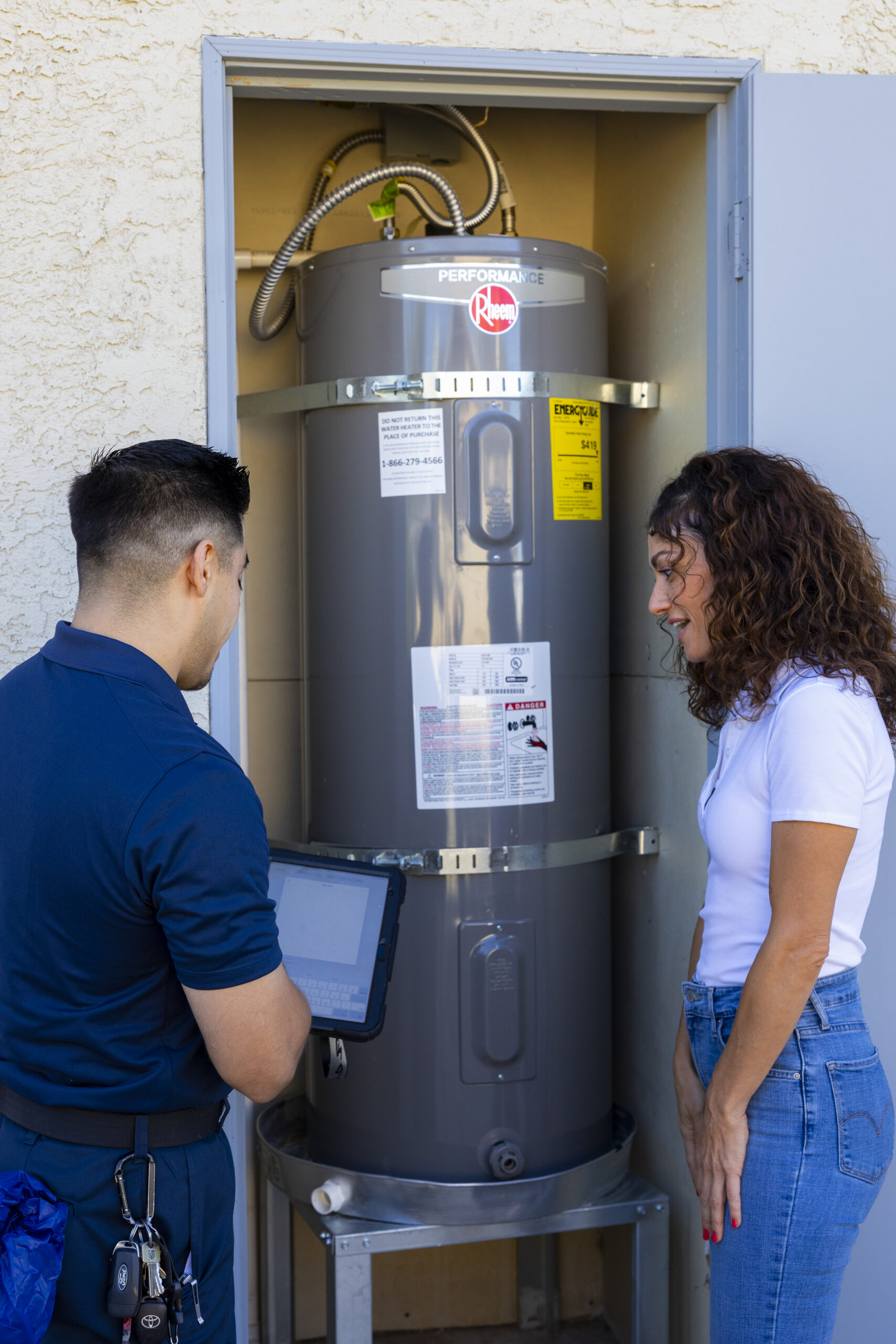
How Tankless Water Heaters Work
To understand the benefits, you first have to know how tankless water heaters work. When you turn on a hot water tap, cold water travels into the unit. A gas burner or an electric heating element immediately activates a heat exchanger, which transfers heat to the water as it flows through.
Because there is no storage tank, you aren't paying for standby energy usage while you're at work or sleeping. You only heat water when a faucet is actually open.
The Pros: Why Homeowners Love Tankless Systems
There are several reasons why tankless models are becoming the best value for modern homes:
- Continuous Hot Water: If your unit is sized correctly, you will have continuous hot water. No more lukewarm endings to your showers.
- Energy Efficiency and Savings: Tankless systems are more energy-efficient than standard tanks. For homes that use 41 gallons or less of hot water daily, tankless systems can be 24%-34% more efficient than storage tank heaters. This leads to noticeable energy savings on your monthly energy bill.
- Space-Saving Design: These units are small and wall-mounted, so they take up less space in your garage or closet than the large storage tank systems.
- Longer Lifespan: While a tank usually lasts 10 to 15 years, a well-maintained tankless hot water heater can have a lifespan of 20 years or more, provided it is working with soft water.
- Lower Risk of Flooding: Without 40-80 gallons of water sitting in a tank, the risk of a catastrophic leak soaking your floor is significantly reduced.
The Cons: What to Consider Before Buying
While the benefits are great, there are some higher upfront costs and logistical hurdles to keep in mind:
- Initial Investment: The upfront cost is higher than that of a traditional tank. This includes the initial cost of the unit plus installation costs, which may include new gas or water lines or an electrical panel upgrade.
- Flow Rate Limits: Every unit has a specific flow rate measured in GPM (gallons per minute). If you try to run two showers, the dishwasher, and the laundry all at once, you might exceed the hot water demand, causing the water temperature to fluctuate.
- Cold Water Sandwich: Between back-to-back hot water draws, you may briefly feel a burst of cold water before hot water resumes. This is normal for tankless systems, but it can catch new owners off guard
- Hard Water Maintenance: In areas with hard water, like Las Vegas, mineral buildup is a serious threat. Without regular descaling, scale can coat the heat exchanger, reducing water flow.
Sizing Your System: The Flow Rate Guide
When choosing between gas tankless water heaters and electric tankless water heaters, sizing is everything. You need to match the unit to your peak hot water usage. Here is a guide to show you the required flow rate based on how many fixtures you have in your home:
| Number of Fixtures | Required Flow Rate (GPM) |
|---|---|
| 1 to 2 Fixtures | 3.5 GPM |
| 2 to 3 Fixtures | 5.0 GPM |
| 3 to 4 Fixtures | 7.0+ GPM |
If you undersize the unit, you'll find that your hot water use is limited, which takes the "luxury" out of the experience.
The Vegas Reality: Hard Water and Descaling
If you live in a region with high mineral content, hard water can be a tankless water heater killer. Minerals such as calcium can form a crust inside the unit, eventually triggering a warranty-voiding malfunction.
To keep your system running at peak energy efficiency, you should:
- Schedule Descaling: Flush the unit 1 to 2 times per year to remove mineral buildup.
- Install a Water Softener: Installing a water softener or scale-prevention conditioner is the best way to protect your tankless hot water heater from the inside out.
- Clean Filters: Regularly check the inlet filter to ensure steady water flow.
Let Dr. Cool Handle Your Hot Water Needs
Choosing between tank water heaters and tankless units doesn't have to be a headache. At Dr. Cool, we are your stress-free providers of water heater solutions. Our licensed plumbers specialize in everything from water heater installation to emergency repairs across the Las Vegas Valley.
We provide honest pricing and help you navigate the pros and cons of tankless water heaters based on your specific home and family size. Whether you need a natural gas upgrade, a propane setup, or a high-efficiency heat pump water heater, we treat your home like our own and get the job done right the first time.
Tired of running out of hot water? Call Dr. Cool at (702) 608-6939 or schedule your water heater consultation online today.
H3 Lorem
Lorem ipsum dolor sit amet, consectetur adipiscing elit, sed do eiusmod tempor incididunt ut labore et dolore magna aliqua. Ut enim ad minim veniam, quis nostrud exercitation ullamco laboris nisi ut aliquip ex ea commodo consequat. Duis aute irure dolor in reprehenderit in voluptate velit esse cillum dolore eu fugiat nulla pariatur. Excepteur sint occaecat cupidatat non proident, sunt in culpa qui officia deserunt mollit anim id est laborum.
Connect With Us
Our Contact Information
Reach Us by Phone or Email
If you prefer to speak directly with one of our technicians, don’t hesitate to contact us by phone or email. We’re available to assist you during business hours
Phone: (702) 873-1800
Email: info@drcoolservices.com
Business Hours:
Mon – Fri: 7:00 am – 9:00 pm
Sat – Sun: 8:00 am – 5:00 pm