If your thermostat has an “Em Heat” or “Aux” setting and no gas line runs to your heating equipment, your home is warmed by a heat pump, the same outdoor unit that cools it all summer, running in reverse. When you have a heat pump not heating the house, the most useful clues are usually sitting in the side yard, not on the thermostat screen.
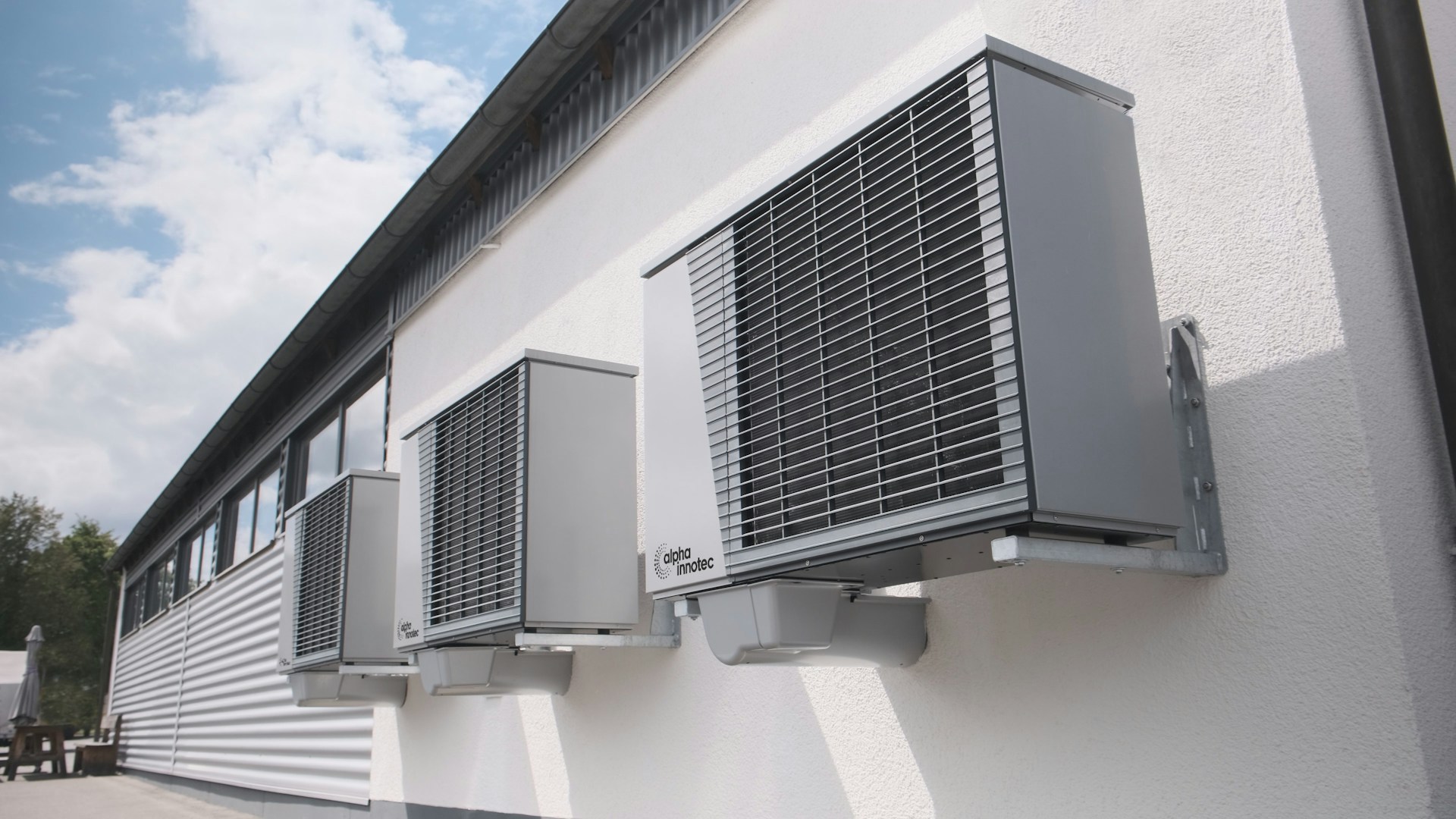
A heat pump pulls heat out of the outdoor air and moves it inside. That means the outdoor unit has to be running, moving refrigerant and staying reasonably free of ice for the house to warm up. Going outside to look at it for a minute, and listening to it, tells you which half of the system to suspect.
What Normal Heating Feels Like
Before chasing a fault, it is worth knowing what a working heat pump is like in winter, because it behaves differently from a gas furnace.
Air from the vents is warm rather than hot, and the system runs longer cycles to bring the house up to temperature. On cold mornings it may run almost continuously. Judge it by whether the room temperature climbs toward the setting, not by how the air feels against your hand.
Every so often on cold, damp nights, the system also switches briefly into defrost to clear frost from the outdoor coil. You might see steam rising from the unit and hear a whoosh as it switches over. Our heat pump defrost cycle guide explains that sequence. If the house is slowly warming and the cool spells pass on their own, nothing needs fixing.
The Thermostat Has to Ask for the Right Thing
A few thermostat settings cause a surprising share of heat pump complaints, especially in the first weeks after the switch from cooling.
Mode. It should say Heat. On Auto, the thermostat switches to cooling whenever the house climbs past the cooling setpoint, which can happen on a sunny Las Vegas winter afternoon, and the cool air that follows is easy to mistake for a heating failure. For winter, choosing Heat removes the guesswork.
Thermostat type. A thermostat set up for a furnace instead of a heat pump, or one that was replaced recently, can send the wrong signal to the reversing valve. The result is a heat pump blowing cold air in heat mode while everything appears to be running. If the trouble started right after a thermostat change, that is the first suspect.
Emergency heat. Em Heat switches off the outdoor unit and heats the house with electric strips alone. It is a backup for when the heat pump has failed, and leaving it on by accident makes electric bills climb sharply.
The Outdoor Unit Isn't Running
Walk outside while the thermostat is calling for heat. If the indoor fan is blowing but the outdoor fan is still and the unit is silent, the heat pump isn't doing any heating at all. You are feeling only the indoor blower, plus whatever the backup strips manage to add.
Check the breaker for the outdoor unit in your electrical panel and the disconnect switch in the small box on the wall beside it. If a breaker has tripped, reset it once. If it trips again, leave it off.
Past those two checks, a silent outdoor unit usually points to an electrical part such as a capacitor, contactor or control board, or to a compressor that won't start. All of them involve high voltage inside the cabinet and belong to a technician.
The Outdoor Unit Is Covered in Ice
A light coat of frost on a cold morning is normal and should melt away during defrost. A unit that stays white, or builds up a thick shell of ice over the coil, top and base, can't pull heat from the air because the air can no longer reach the coil.
You can help by making sure nothing is blocking the unit. Clear leaves, tumbleweeds, stored items and overgrown plants from around it, and make sure water isn't dripping onto it from a roof edge. Don't chip, scrape or pour hot water on the ice, since the coil fins bend easily and the refrigerant lines are easy to damage.
Ice that keeps coming back points to a defrost problem, low refrigerant, or a fan that isn't moving enough air across the coil. The U.S. Department of Energy notes in its air-source heat pump guide that outdoor units should be protected from high winds, which can cause defrosting problems. That is worth remembering on the Valley's gusty days.
The Outdoor Unit Runs, but the Air Is Lukewarm
The fan is spinning, the compressor hums, there is no unusual ice, and the house still won't warm up. This is where the sealed refrigerant system comes into question.
A heat pump needs the correct amount of refrigerant to move heat efficiently. The Department of Energy points out that too much or too little refrigerant reduces heat pump performance and efficiency, and that systems should be checked for leaks during service calls. Refrigerant isn't used up during normal operation, so a low charge almost always means a leak somewhere that needs finding and repairing, not just a top-up. Our guide on how to check refrigerant explains the signs and why testing is a technician's job.
A restricted indoor airflow path can look similar. Check that the air filter is clean and that supply and return vents aren't covered.
The Outdoor Unit Runs, and the Air Is Cold
If the outdoor unit is running steadily and the vents blow cool air the whole time, not in short spells, the system may be cooling instead of heating. If the larger of the two copper lines is exposed near the outdoor unit, touch it briefly with the back of your hand: in heating mode it should feel warm to hot, so be careful. If it feels cold and sweaty, the heat pump is moving heat the wrong way.
Once the thermostat is ruled out, the reversing valve is the usual cause. That valve switches the direction refrigerant flows. In Las Vegas, it sits in the cooling position for most of the year, and a valve or its solenoid coil that has been stuck in place since spring sometimes shows its weakness on the first heating day. Testing the solenoid is electrical work, and replacing the valve means opening the refrigerant circuit.
Backup Heat That Doesn't Show Up
On the coldest nights, many heat pumps lean on electric heat strips in the indoor unit to help. The thermostat often shows "Aux" when they are on. If the heat pump keeps the house comfortable on mild days but falls behind whenever the temperature drops, the strips may not be coming on. A tripped breaker for the strips, a failed relay or a burned-out element are the usual reasons. These are high-amperage circuits, so leave the testing to a technician.
If some rooms stay cold while others are fine, the problem may be in the ducts instead. Our post on a heater blowing cold air covers how attic duct damage shows up.
When to Book a Repair
Book a technician if the outdoor unit won't run, ice keeps returning, the air never warms up, or a breaker trips more than once. Turn the system off and call right away if you smell burning or see smoke from either unit.
When you call, it helps to say what the outdoor unit was doing: off, iced, running with lukewarm air or running with cold air. That one detail narrows the diagnosis a lot.
When your heat pump needs a technician, Dr. Cool offers same-day heating repair. Schedule online or phone (702) 873-1800. A yearly heating maintenance visit in the fall is a good time to have the defrost controls, refrigerant charge and backup heat checked before you need them.
Connect With Us
Our Contact Information
Reach Us by Phone or Email
If you prefer to speak directly with one of our technicians, don’t hesitate to contact us by phone or email. We’re available to assist you during business hours
Phone: (702) 873-1800
Email: info@drcoolservices.com
Business Hours:
Mon – Fri: 7:00 am – 9:00 pm
Sat – Sun: 8:00 am – 5:00 pm