The heat pump defrost cycle is a normal operation that removes frost and ice from the outdoor coil on your HVAC unit so the system can continue heating your home efficiently. If your heat pump suddenly makes a swooshing sound, releases a cloud of steam, or briefly blows cooler air, it may not be malfunctioning. It may simply be running a heat pump defrost cycle.
Understanding how the process works can help you recognize normal operation and know when excessive frost buildup may require professional service.
Key Takeaways
- A heat pump defrost cycle temporarily melts frost from the outdoor coil on an HVAC unit.
- Steam, changing fan operation, and brief bursts of cool air may be normal during defrost mode.
- Frequent or prolonged defrost cycles may indicate airflow, refrigerant, sensor, or mechanical issues.
What Is a Heat Pump Defrost Cycle?
A heat pump warms your home by absorbing thermal energy from the outdoor air and transferring it indoors. During cold-weather operation, the outdoor coil becomes cold enough for moisture in the air to freeze on its surface.
A light layer of frost is normal. However, heavy ice accumulation can block airflow across the outdoor coil and reduce system efficiency.
The heat pump defrost cycle temporarily reverses the refrigeration cycle to send heat to the outdoor coil. This melts the frost buildup and helps the heat pump maintain reliable performance.
Without defrost mode, ice could continue accumulating until the coil becomes blocked, reducing heating capacity and potentially damaging the equipment.
How Does the Heat Pump Defrost Cycle Work?
During normal heating operation, refrigerant absorbs heat outdoors and carries it into the home. When the defrost control determines that too much frost has formed, the reversing valve changes the direction of refrigerant flow.
For a short period, the heat pump operates similarly to a cooling cycle. Hot refrigerant moves through the outdoor coil, warming the coil and melting the ice. During this process:
- The outdoor fan may stop to keep heat near the coil
- The compressor continues running
- Auxiliary heat strips may activate to prevent cold air from entering the home
- Melted ice drains away from the outdoor unit
- The reversing valve switches the system back to heating mode
The cycle usually lasts only a few minutes. Once the outdoor coil reaches the appropriate temperature, the sensors and controls end defrost mode.
What Triggers a Defrost Cycle?
Heat pumps typically use either timed defrost or demand defrost controls.
A timed defrost system checks the coil after a predetermined number of run hours or minutes. If the coil is cold enough, the system initiates defrost mode. This design may cause a heat pump to defrost even when there is limited frost buildup.
A demand defrost technology uses sensors to evaluate coil temperature, outdoor conditions, and system performance. The cycle begins only when the system determines that defrosting is necessary. Demand defrost can improve energy efficiency because the system runs the cycle based on actual frost conditions rather than a fixed schedule.
Ambient temperature and humidity play major roles in frost formation. Heat pumps may defrost more often on cold, damp days because moisture freezes more quickly on the outdoor coil.
How Often Should a Heat Pump Defrost?
Defrost cycle frequency depends on the equipment, outdoor temperature and humidity, system run time, and the amount of frost forming on the coil. During certain outdoor conditions, the system may enter defrost every 30 to 90 minutes of operation. On drier or warmer days, it may rarely need to defrost.
Defrost cycle duration commonly ranges from a few minutes to around 15 minutes. Check your user manual for information specific to your equipment.
Frequent defrosting is not always a sign of trouble. However, prolonged defrost cycles or repeated cycles with little time between them may indicate a problem.
How Can You Tell When the Heat Pump Is Defrosting?
Several noticeable changes may occur during defrost mode:
- Steam: When hot refrigerant melts ice on the outdoor coil, the moisture may create a cloud of steam. This can look alarming but is usually normal. Smoke or a burning odor is not normal and requires immediate attention.
- Changes in fan operation: The outdoor fan often stops during defrost mode. This keeps heat concentrated around the coil and helps the ice melt faster. The fan should restart when the heat pump returns to normal heating operation.
- Different sounds: You may hear a swooshing sound when the reversing valve changes the direction of refrigerant flow. Grinding, screeching, or repeated banging may indicate mechanical issues.
- Cooler air from the vents: Because the heat pump briefly switches to a cooling cycle, you may feel cool air from the vents. Many systems use electric heat strips or backup heat to maintain indoor comfort during this period.
Your thermostat screen may display “aux heat” or a similar message while supplemental heat is operating.
When Does Defrosting Indicate a Problem?
A properly operating heat pump should remove frost before the outdoor coil becomes completely covered in ice. Possible causes include a low refrigerant charge, defective sensors, a faulty defrost control, reversing valve problems, outdoor fan failure, or a contractor installation issue.
Contact an HVAC professional if you notice:
- The coil remains covered in ice after defrost mode
- Defrost cycles happen unusually often
- A cycle lasts longer than about 15 minutes
- The outdoor fan does not restart
- The heat pump repeatedly blows cold air
- The system cannot maintain the thermostat setting
- Defrost cycle alerts continue appearing
- Ice spreads beyond the coil or cabinet
Outdoor unit debris may also restrict airflow and contribute to frost formation. In some cases, equipment maintenance or a simple cleaning may restore normal operation.
How to Support Proper Defrost Operation
Regular maintenance helps the defrost system operate correctly and reduces unnecessary wear and tear. Homeowners can:
- Replace air filters regularly
- Keep leaves, dirt, and snow away from the outdoor unit
- Maintain clearance around the heat pump
- Avoid covering the outdoor unit during operation
- Check the coil occasionally for excessive ice
- Schedule professional tune-ups
- Arrange an annual system check
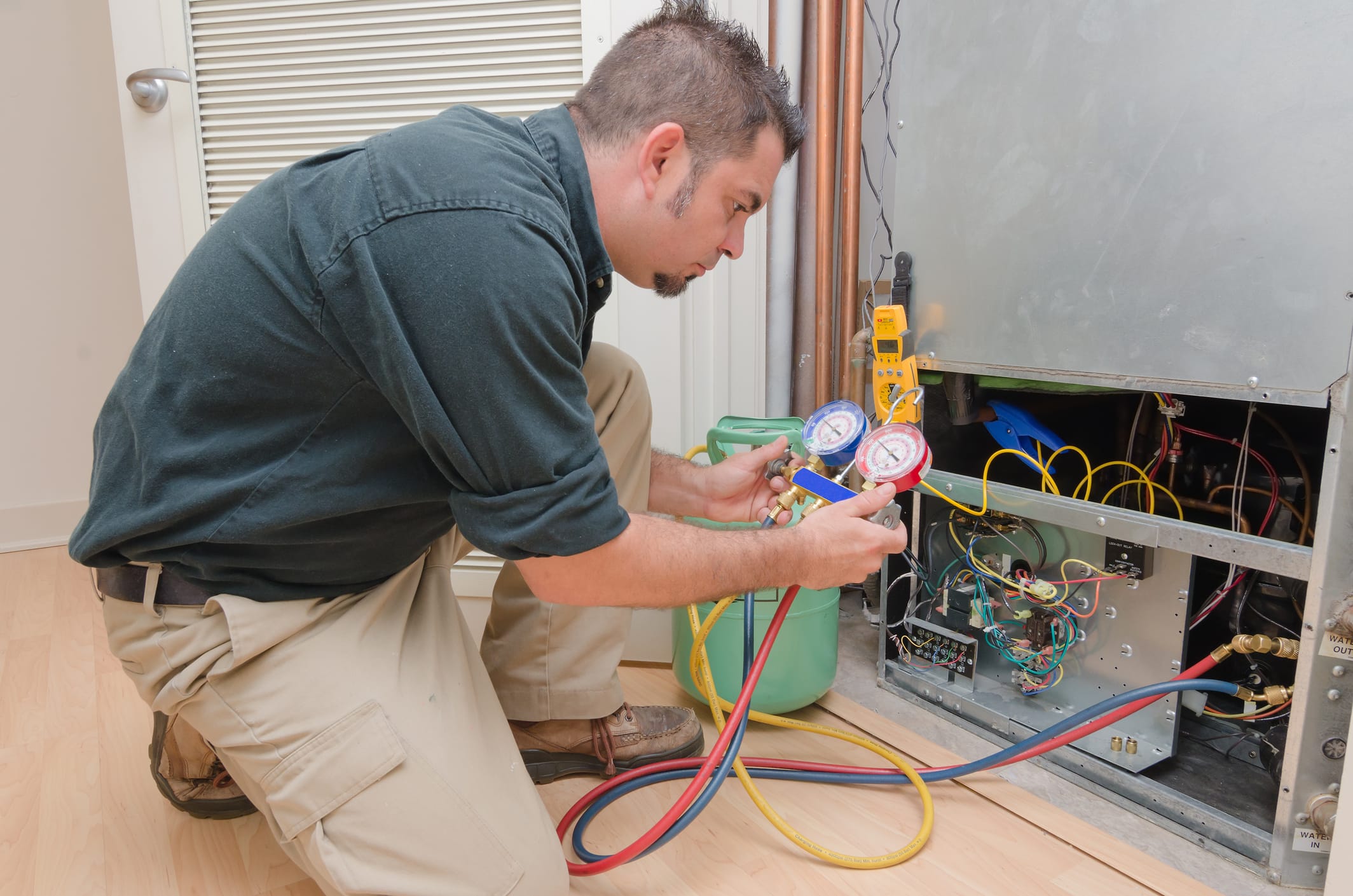
A technician can test the sensors and controls, measure the refrigerant levels, inspect the heat exchanger and outdoor coil, and confirm that auxiliary heat operates properly.
Preventative HVAC maintenance can save you money, improve system efficiency, reduce mechanical issues, and support a longer equipment lifespan.
Call Dr. Cool for Heat Pump Service
A heat pump defrost cycle is designed to protect your equipment and maintain heating performance. Dr. Cool can perform a complete inspection, identify the cause of the problem, and restore dependable heat pump operation. Our technicians can provide heating system installations, heating system repairs and replacements, and maintenance and tune-ups.
Call Dr. Cool at (702) 608-6913 or schedule your appointment online today.
Connect With Us
Our Contact Information
Reach Us by Phone or Email
If you prefer to speak directly with one of our technicians, don’t hesitate to contact us by phone or email. We’re available to assist you during business hours
Phone: (702) 873-1800
Email: info@drcoolservices.com
Business Hours:
Mon – Fri: 7:00 am – 9:00 pm
Sat – Sun: 8:00 am – 5:00 pm
