Your ducts carry conditioned air through the house, so when something looks or smells wrong at the vents, it’s fair to wonder whether they need attention. Homeowners searching for air duct cleaning in Henderson, NV are usually reacting to something specific: gray fuzz on a supply register, a stale smell when the blower starts, or a bedroom that never cools as well as the rest of the house.
Those four signals are worth acting on, and a duct inspection can show whether cleaning, a repair, or a simple filter change is the right fix. The U.S. Environmental Protection Agency (EPA) takes a measured position here. It recommends having ducts cleaned as needed rather than on a set schedule, and lists heavy dust and debris, vermin, or visible mold inside hard-surface ducts as conditions that justify cleaning.
If you already know something is wrong, you can book online or call (702) 873-1800. A licensed technician can inspect the ductwork and explain what they find before any work starts.
Signs It May Be Time for a Duct Inspection
Four things can make a duct inspection useful: visible debris, noticeable odors, uneven airflow, and dust after construction work. Each one can point to a different cause, so an inspection should come before a cleaning quote.
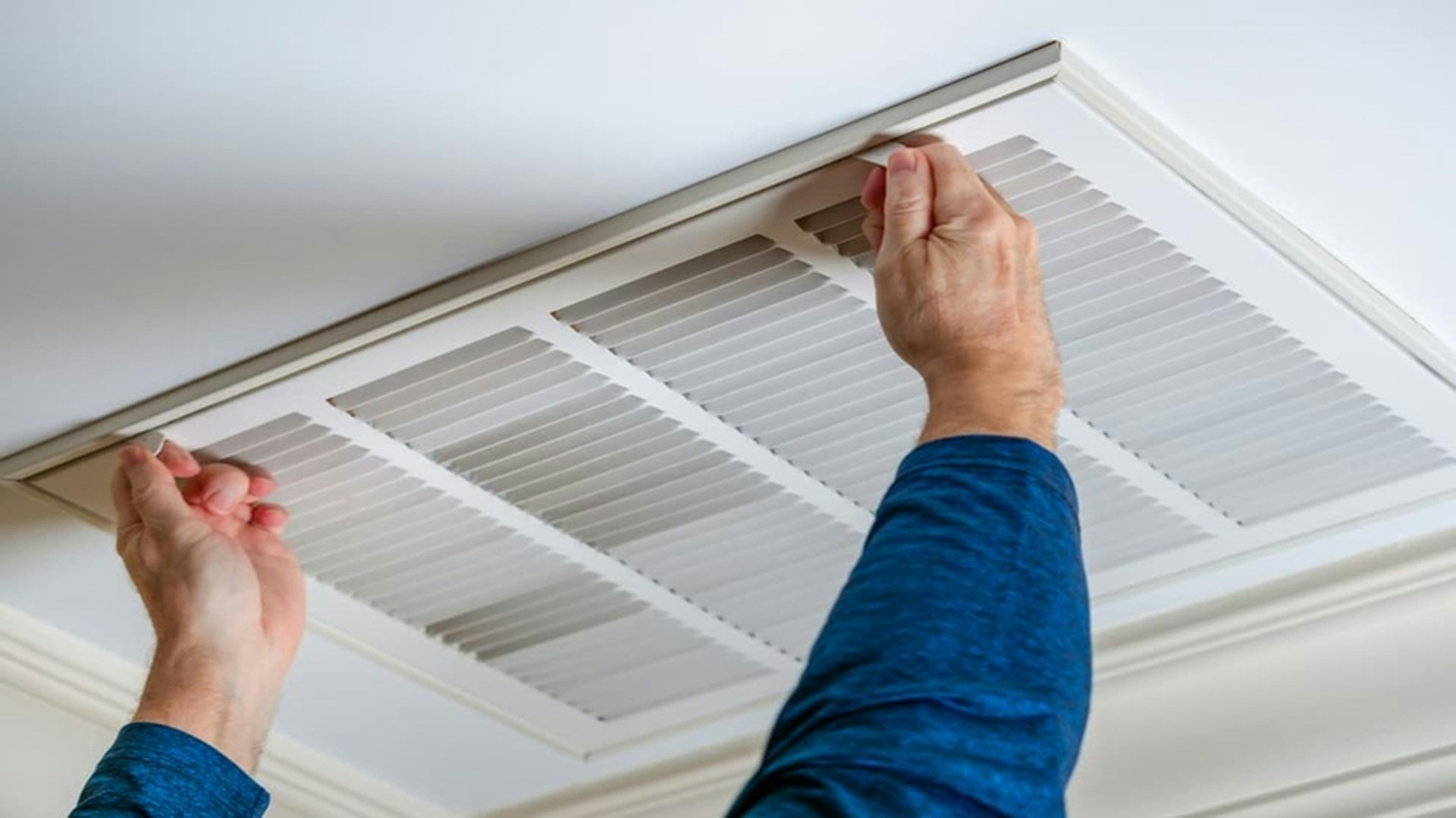
Visible Debris Around Supply and Return Vents
Look at the register face and the wall or ceiling around it. A thin film of dust on a return grille is normal because dust-laden air passes straight through the grate.
What matters more is debris blowing out of supply vents or dark streaks on the nearby paint. Particles entering the room are one of the conditions the EPA lists as a reason to consider cleaning.
Persistent Musty or Stale Odors When the System Runs
A smell that appears within a minute of the blower starting and fades after shutdown is coming from somewhere inside the system. Stale or musty odors can come from moisture in the duct, a dirty coil, or a blocked condensate drain.
Ask the technician to show you the source. If insulated ducts have become wet, the EPA notes that the insulation cannot be cleaned effectively. The technician should remove and replace it.
Uneven Airflow or Rooms That Do Not Feel Comfortable
One room that stays noticeably warmer than the thermostat setting usually points to the distribution system. Crushed flex duct, a disconnected branch, or a closed damper can all cause the same complaint.
Cleaning won’t fix a duct that’s kinked or detached, so the inspection matters more than the cleaning in this situation.
Dust Buildup After Remodeling or Other Indoor Work
Drywall sanding, flooring removal, and tile cutting create fine dust that travels straight into open returns. If the system ran during the work, that material likely settled inside the duct runs.
Post-construction dust is one of the clearest reasons to schedule a cleaning. Change the filter first, then have the ducts checked before assuming the dust is gone.
What Professional Duct Cleaning Should Address
A proper air duct cleaning service covers the whole air path, not just a few feet inside each register. Duct cleaning generally includes the supply and return ducts, registers, grilles, diffusers, heating and cooling coils, the drain pan, the fan motor and housing, and the air handler cabinet.
How an Inspection Helps Identify Ductwork Conditions
A duct inspection answers two questions: what’s inside the ducts, and is the ductwork intact? Technicians open access points, check the plenum and coil area, and inspect joints and boots.
Camera inspections help with buried or hard-to-reach runs. Many sections of a system aren’t visible without one, which is why the EPA advises asking the provider to show you any mold they claim to have found.
What Is Removed During Air Duct Cleaning
The standard method loosens material with agitation tools, then pulls it out under negative pressure with a high-powered vacuum. This keeps debris from spilling into the living space. Loose dust, construction debris, pet hair, and insulation fragments come out this way.
Dr. Cool's duct cleaning and sanitizing services also cover duct inspections and repairs to damaged or disconnected ductwork. Problems found during the visit may not require a second company.
When the Evaporator Coil Needs Separate Attention
The evaporator coil sits in the airstream and catches whatever the filter misses. A coated coil restricts airflow and reduces cooling capacity, no matter how clean the ducts are.
Some research suggests that cleaning components such as cooling coils, fans, and heat exchangers may improve system efficiency and support a longer operating life. Cleaning only the ducts won’t have the same effect.
Why Before-and-After Communication Matters
You should see the condition of your system before work begins and after it finishes. Ask for photos of the plenum, a supply run, and the coil.
Skipping one contaminated component can recontaminate the rest of the system and cancel out the benefit of the visit. Clear documentation helps confirm that the technician reached every component.
Duct Cleaning vs. Other Home Airflow Services
Cleaning, repair, sealing, filter replacement, and dryer vent cleaning solve different problems. Paying for the wrong one is a common mistake. Matching the service to the symptom saves money and addresses the actual complaint.
When Filter Replacement Is the Right First Step
If airflow has dropped gradually and the filter is past its replacement date, change it before scheduling anything else. A loaded filter starves the blower and can freeze the coil.
Return registers also clean up easily. You can vacuum them or remove and wash them. A dusty grille by itself doesn’t prove that the ducts are full of debris.
When Damaged Ductwork Needs Repair or Sealing
Repair addresses physical damage: crushed flex, torn liner, a boot pulled off a register, or a branch disconnected at the plenum. Sealing addresses leaks at joints and seams.
Duct sealing differs from coating duct interiors with encapsulants. Leak sealing can reduce heating and cooling costs, and Dr. Cool's guide to finding an air duct leak explains the symptoms homeowners can spot themselves.
Why Dryer Vent Cleaning Is a Separate Service
Your dryer vent is an exhaust duct that carries hot, moist air and lint outdoors. It connects to nothing in your HVAC system.
Lint buildup makes clothes take longer to dry and creates a fire risk. Dryer vent cleaning is booked separately and priced apart from HVAC vent cleaning.
How These Services Can Support Energy Efficiency
Sealing leaks and keeping coils and filters clean is where measurable energy savings come from. Clark County's homeowner guidance lists furnace filter cleaning and scheduling vent cleaning as steps that help control home energy use.
Duct cleaning alone has little documented effect on efficiency. Treat it as a cleanliness and debris issue, and address efficiency through sealing and equipment maintenance.
How to Compare Service Visits and Pricing
Duct cleaning services in the United States commonly cost $450 to $1,000 per heating and cooling system, according to EPA consumer guidance. Price varies with system size, accessibility, and the amount of contamination, so a quote should follow an inspection.
What Can Affect the Cost of a Cleaning Visit
Four factors drive the price: the services included, the system size, duct accessibility, and the level of contamination. A two-system home costs more than a single-system home for obvious reasons.
Attic and crawlspace runs take longer to reach. Coil cleaning, repairs to damaged sections, and sanitizing are separate line items and should be quoted that way.
Questions to Ask Before You Schedule
Ask whether the quote covers every component: supply and return ducts, registers, grilles, diffusers, coils, drain pan, fan motor and housing, and the air handler cabinet. Ask who performs the work, whether they’re licensed and insured, and whether the technicians are employees.
Confirm whether biocides or sealants appear in the proposal. No chemical biocides are currently registered with the EPA for use inside internally insulated air ducts, so get a plain explanation before agreeing to any chemical application.
Why Very Low Advertised Prices Deserve a Closer Look
A $69 whole-house special rarely includes the coil, blower, or air handler cabinet. Those offers often end with an upsell once the technician enters the home.
Compare the scope, not the headline price. A written scope of work with per-component pricing is easier to evaluate than a flat number with no details.
Choosing the Right Next Step for Your Ductwork
Start with what you can observe. Debris pushing out of supply vents, a musty smell tied to blower operation, a room that won’t cool, or heavy dust after remodeling each justify a duct inspection in Henderson, NV. Without those signs, and with no allergy complaints in the house, the EPA position is that cleaning is probably unnecessary.
An inspection is the low-cost move that settles the question. It separates a duct that needs cleaning from one that needs a repair, a seal, or a new filter, and it keeps you from paying for a service that won’t change how your home feels.
If your system has been acting up through another Las Vegas Valley summer, Dr. Cool can inspect the ductwork, explain the condition of each component, and price the work upfront before starting. Book online or call (702) 873-1800 to set up a visit. Ask about same-day availability if the airflow problem is affecting how your home cools right now.
Connect With Us
Our Contact Information
Reach Us by Phone or Email
If you prefer to speak directly with one of our technicians, don’t hesitate to contact us by phone or email. We’re available to assist you during business hours
Phone: (702) 873-1800
Email: info@drcoolservices.com
Business Hours:
Mon – Fri: 7:00 am – 9:00 pm
Sat – Sun: 8:00 am – 5:00 pm
