Dropping a tablet into your toilet tank sounds like a convenient way to keep things clean. But in reality, are drop-in toilet bowl cleaners safe for your plumbing?
Some in-tank cleaners contain chemicals that can gradually damage toilet components, potentially turning an inexpensive cleaning shortcut into an avoidable plumbing repair. Fortunately, there are several cleaning alternatives that also keep your plumbing safe.
Key Takeaways
- Some drop-in toilet cleaners contain bleach or chlorine that may damage rubber, plastic, and metal toilet tank components over time.
- Manual cleaning gives you greater control over which cleaning agents contact your toilet and for how long.
- Las Vegas' hard water can cause mineral deposits and stains, but stronger in-tank chemicals aren't necessarily the best solution.
How Do Drop-In Toilet Bowl Cleaners Work?
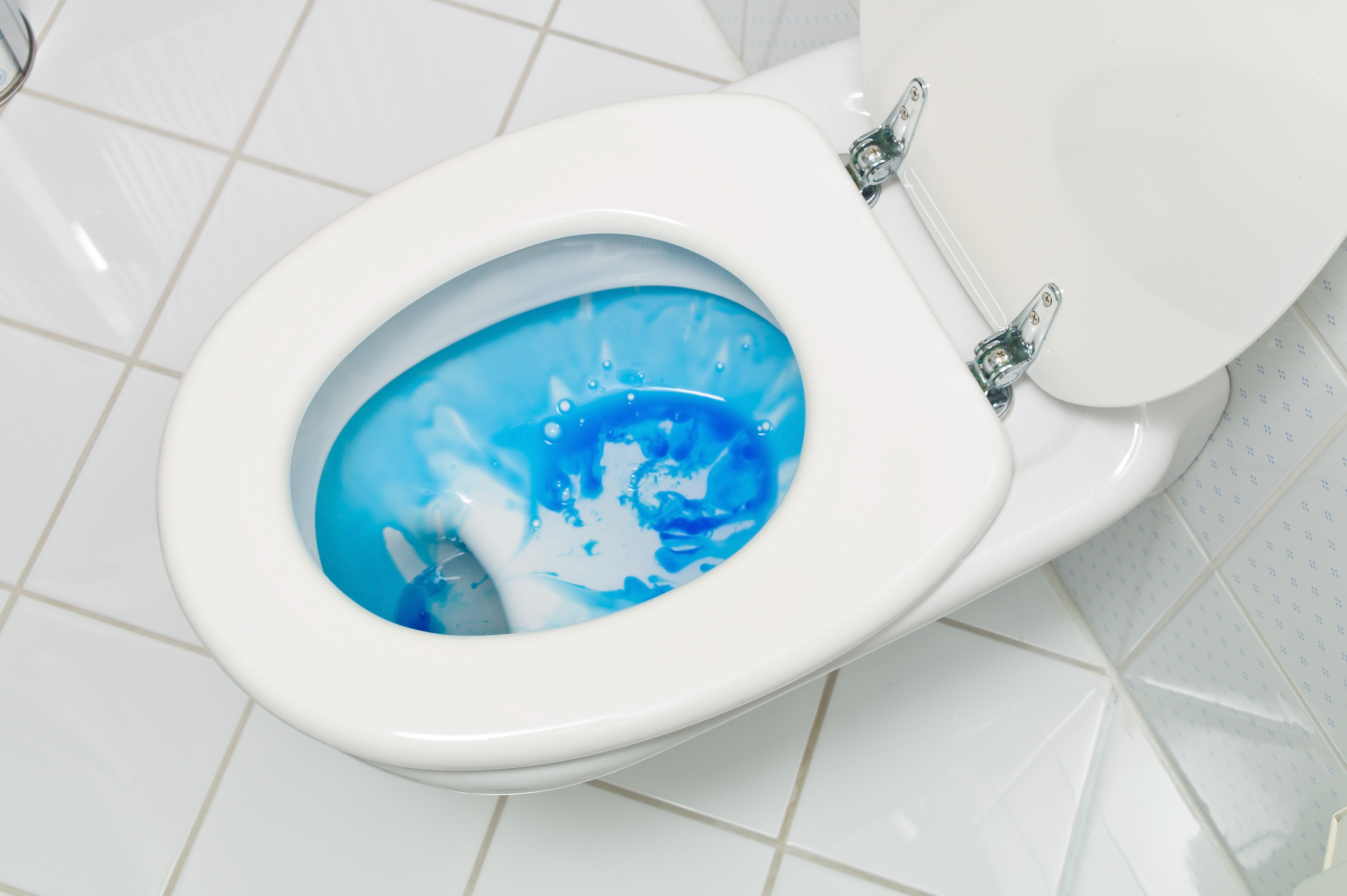
Drop-in toilet cleaners usually come in tablet form and can be placed directly inside the toilet tank. Each time you flush, water passes over the cleaner and carries some of the cleaning solution into the bowl.
Rather than manually scrubbing a toilet, in-tank toilet cleaners continuously release cleaning agents. This can help the toilet appear sanitized and reduce visible stains between cleanings. The problem is what those chemicals may be doing inside the tank.
Are Drop-In Toilet Bowl Cleaners Safe?
It depends on the product and your specific toilet. Many plumbers caution against leaving strong chemical cleaners inside a toilet tank because the chemicals remain in constant contact with the toilet tank components.
Certain in-tank tablets contain bleach, chlorine, or similar cleaning agents. Over time, repeated chemical exposure may deteriorate rubber and plastic parts or contribute to corrosion of metal parts.
Components that can potentially be affected include the:
- Flapper
- Flush valve
- Seals and gaskets
- Fill valve
- Other rubber and plastic parts
Damage doesn't necessarily happen immediately. You may use cleaning tablets for months without noticing a problem. But as seals and other materials deteriorate, you could eventually experience water leaks or poor flushing performance.
Before putting any cleaner in the tank, check your toilet manufacturer's instructions. Some toilet manufacturers include specific warnings about the use of chemical in-tank tablets, and using an unapproved product could potentially affect warranty coverage.
Why Can In-Tank Cleaners Damage Toilets?
Your toilet tank isn't designed as a cleaning-product reservoir. It contains several moving parts, seals, and connections that work together every time you flush.
Normally, those components spend most of their time submerged in water. Adding a toilet tank cleaner changes that environment.
Bleach and chlorine are effective cleaners because they're chemically reactive. But prolonged exposure to strong chemicals can also affect materials inside the tank. Rubber may become brittle or warped, while certain metal components can corrode.
Once a flapper or seal deteriorates, water may continuously leak from the tank into the bowl. You might hear the toilet running periodically or notice an unexplained increase in your water usage. If your toilet is constantly running, however, you may need to seek professional plumbing services.
A damaged flush mechanism can also prevent the toilet from flushing correctly, potentially leading to unnecessary water use and costly repairs.
Las Vegas Hard Water Adds Another Challenge
Las Vegas homeowners already have another toilet-cleaning challenge to contend with: hard water. Southern Nevada's water contains dissolved minerals, primarily calcium and magnesium. As water evaporates, those minerals can remain behind and create buildup.
You may notice mineral deposits as:
- A ring around the toilet bowl
- White or chalky residue
- Brown or rust-colored stains
- Buildup around water jets
- Scale around plumbing fixtures
This can make the promise of an automatic toilet cleaner particularly tempting. However, using a stronger chemical product doesn't necessarily solve the underlying hard-water problem.
Mineral buildup may require periodic manual cleaning, and persistent hard-water problems throughout your home may warrant a conversation about water treatment options.
What Is Safe to Put in a Toilet Tank?
The safest approach is to leave the toilet tank alone unless the manufacturer specifically recommends a cleaning method or product.
When choosing any cleaning product, consider:
- Where the product is meant to be used
- Whether it's approved for in-tank use
- Which chemicals it contains
- How frequently it should be used
- Whether your toilet manufacturer recommends against it
A brightly packaged product saying "toilet cleaner" isn't necessarily safe for every part of the toilet.
Are Drop-In Cleaners Safe for Septic Systems?
If your home uses a septic system, there is another factor to consider. Septic systems depend on microorganisms to help break down household waste. Introducing large quantities of strong disinfectants or chemicals can potentially interfere with that process.
Some in-tank toilet cleaners are specifically labeled as septic-safe. If you use a septic system, check the product instructions carefully and follow your septic system manufacturer's maintenance recommendations.
When in doubt, manual cleaning keeps the cleaning product primarily in the bowl rather than continuously releasing it with every flush.
Safer Alternatives to Drop-In Toilet Cleaners
Fortunately, keeping your toilet clean doesn't require leaving chemicals in the tank 24/7. There are several alternatives to cleaning your toilet.
Clean the Bowl Manually
Regular manual cleaning remains one of the simplest options.
Apply a toilet-safe cleanser directly to the bowl, allow it to sit according to the manufacturer's instructions, and scrub with a toilet brush. Then flush the cleaning product away.
This approach allows you to control the amount of cleaner used and how long it remains in contact with the toilet.
Target Hard-Water Stains
If mineral deposits are the main problem, choose a cleaning product specifically designed for hard-water stains and approved for use on your toilet's surface.
Regular cleaning can help prevent minerals from accumulating into a thick layer that's more difficult to remove later.
Keep the Tank Clean Without Tablets
The inside of a toilet tank doesn't need to smell like cleaning chemicals to work correctly.
If you notice excessive buildup inside the tank, consult the toilet manufacturer's instructions before adding any cleanser. A gentle cleaning method using a brush may be more appropriate than leaving tablets submerged indefinitely.
Signs a Drop-In Cleaner May Be Damaging Your Toilet
If you currently use in-tank tablets, watch for changes in toilet performance, such as:
- A toilet that runs continuously
- Phantom flushing
- Water leaking between the tank and bowl
- A weak flush
- A sticking flush mechanism
- Cracked or warped rubber components
- Visible corrosion
- Unusually high water usage
A running toilet may seem like a minor annoyance, but it can waste a significant amount of water. That's especially worth addressing in the Las Vegas Valley, where water conservation matters year-round.
If problems begin after using an in-tank cleaner, remove the product and have the toilet inspected.
Should You Stop Using Drop-In Toilet Bowl Cleaners?
If convenience is your priority, drop-in tablets certainly make toilet cleaning easier. But that convenience should be weighed against the possibility of long-term damage to components inside the tank.
Check your toilet manufacturer's instructions before using any in-tank cleaner. If the manufacturer warns against bleach, chlorine, or drop-in tablets, follow those recommendations.
For many households, manual cleaning with a toilet-safe cleanser and brush is the simpler way to keep the bowl clean without continuously exposing tank components to chemicals.
Call Dr. Cool for Las Vegas Plumbing Services
If your toilet won't stop running, has a weak flush, is leaking, or has damaged internal components, Dr. Cool can help. Our plumbing professionals serve Las Vegas and surrounding communities with toilet repair, installation, drain cleaning, leak detection, and other general plumbing services.
Whether the culprit is an aging flapper, damaged flush valve, hard-water buildup, or something deeper in your plumbing, we'll diagnose the problem and recommend the right repair.
Call Dr. Cool at (702) 608-6913 or schedule your professional plumbing appointment online today.
Connect With Us
Our Contact Information
Reach Us by Phone or Email
If you prefer to speak directly with one of our technicians, don’t hesitate to contact us by phone or email. We’re available to assist you during business hours
Phone: (702) 873-1800
Email: info@drcoolservices.com
Business Hours:
Mon – Fri: 7:00 am – 9:00 pm
Sat – Sun: 8:00 am – 5:00 pm