
A leak under your foundation rarely announces itself. You won’t see a puddle in the yard or a drip under the sink. Instead, your water bill might jump for no clear reason, one patch of carpet may stay damp, or part of the tile floor may feel warmer than the rest of the room.
Before anyone talks with you about slab leak repair in Henderson, NV, a technician needs to find and confirm the leak. The warning signs below can tell you it’s time to schedule that detection visit. A confirmed location and a clear view of the damage turn a guess into a repair plan you can review with confidence.
Foundation leaks matter here because water under a slab has nowhere to go. It soaks into the soil, moves toward the flooring, and keeps running while your meter keeps counting. If any of these signs match what you’re seeing at home, professional leak detection is the next step. Dr. Cool answers at (702) 873-1800 around the clock for urgent water problems in Henderson and across the valley.
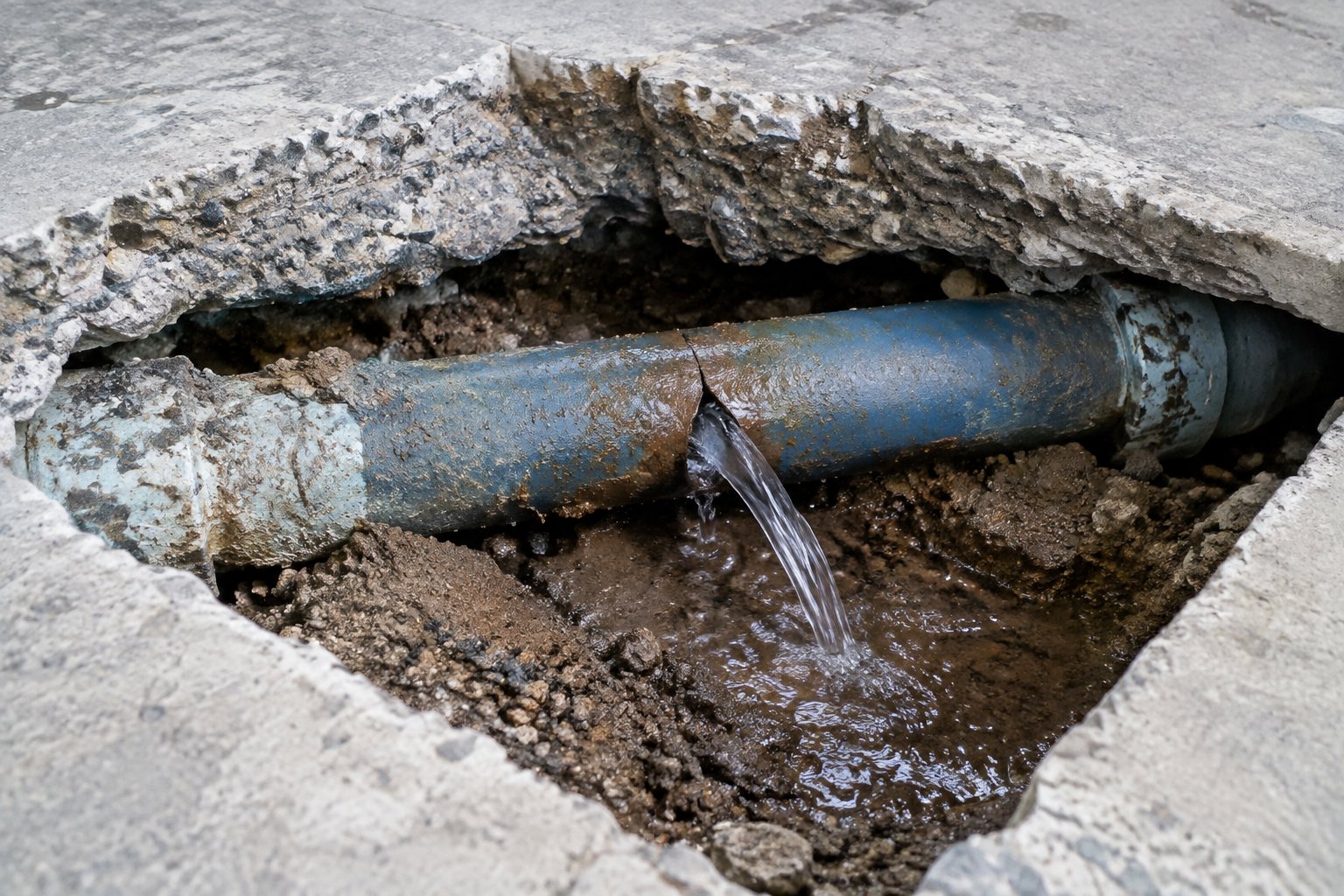
Warning Signs That May Point to a Leak Beneath the Slab
The clearest early signals of a foundation leak include a water bill that rises without a change in your habits, flooring that stays damp or feels warm, and the sound of running water when every fixture is off. None of these signs confirms a slab leak by itself. Together, or when one keeps coming back, they support a call for detection before the water damage spreads.
Why an Unexplained Increase in Water Use Deserves Attention
A sudden increase in water use with no new irrigation, houseguests, or seasonal change gives you a strong reason to investigate. Water leaking under a slab still passes through your meter.
You can run a simple check. Turn off every faucet, appliance, and irrigation zone, then look at the water meter. If the dial keeps moving, water is going somewhere.
The Environmental Protection Agency's leak checklist directs homeowners to check common hiding spots first, including toilets, supply lines, and irrigation. Rule those out, and a hidden line becomes a much stronger suspect.
Warm Floors, Damp Carpet, and Other Indoor Moisture Clues
A warm spot on a tile or concrete floor can point to a leaking hot water line beneath the slab. Cold water leaks are harder to notice. They may create a cool patch or simply leave moisture behind.
Watch for carpet that stays damp in one area, dark staining along baseboards, flooring that cups or lifts, and a musty smell in one room. Add paint or grout that suddenly looks discolored near the floor line to the list.
Take dated photos of these clues. A clear timeline helps a plumber see how quickly the problem is changing.
What Persistent Water Sounds and Low Water Pressure Can Mean
Hearing water run when nothing is turned on is a classic warning sign. The sound may travel through the floor as a faint hiss, rush, or trickle. You'll usually notice it most easily late at night.
A drop in water pressure at several fixtures can mean water is escaping before it reaches your taps. Pressure that drops at only one faucet usually points to an aerator or valve problem.
When the sound and pressure change appear together, treat the situation as urgent. A plumbing leak detection visit can confirm the cause before the flooring or drywall absorbs more water.
Why Professional Detection Should Come Before a Repair Decision
Detection comes first because the leak's location and cause shape every option that follows. If you approve a repair before anyone confirms where the water is escaping, you could pay for work that misses the actual problem. A detection visit narrows the search, separates slab leaks from ordinary fixture problems, and gives you documentation for your insurance company.
What a Leak Detection Visit Can Help Determine
A detection visit answers a few practical questions: Is water escaping from a pressurized line? Where is it escaping? Is the line hot or cold?
Dr. Cool's stated leak process includes assessing the problem, locating the leak with detection equipment, explaining repair pricing, and checking the system afterward. The inspection covers supply lines, fixtures, appliances, outdoor faucets, sprinkler lines, and irrigation.
Ask for the findings in writing. Documentation that supports a homeowner's insurance claim is part of the service. It also gives you something to review before you approve the work.
How Electronic Leak Detection and Thermal Imaging May Support an Assessment
Electronic leak detection uses sensitive acoustic equipment to pick up the sound of water escaping from a pressurized pipe beneath concrete. Thermal imaging reads surface temperature differences, which can help when a hot water line is involved.
Pressure testing adds another layer. By isolating sections of the system, a technician can see whether the pressure holds and narrow down the suspect line.
These tools reduce guesswork. They don't guarantee that a technician can complete the repair without opening the flooring. Any plumber who promises that before inspecting the site is getting ahead of the evidence.
When a Plumbing Inspection Can Rule Out More Visible Problems
Many suspected slab leaks turn out to have a simpler cause. A running toilet, failing water heater connection, leaking shower pan, or cracked supply line behind a wall can produce similar symptoms.
A routine plumbing inspection checks those sources first because they're faster to confirm and usually less expensive to correct. Pipe corrosion inside older galvanized or copper lines is another common source worth checking.
Ruling out visible causes helps you avoid paying for foundation work you never needed.
How Diagnosis Guides the Right Plumbing Repair Conversation
Once a technician confirms and locates a leak, the conversation shifts to repair options. A good plumber will explain what the findings mean before quoting the work. Ask specific questions about the location, damage, and each available option. Clear answers before work begins can help prevent surprises on the invoice.
Questions to Ask About the Leak Location and Extent of Damage
Start with the basics and write down the answers:
- Where exactly is the leak, and how did you confirm that location?
- Is it a hot or cold water line?
- How much water escaped, and did it damage the flooring, baseboards, or drywall?
- Is the pipe failure isolated, or does the line show signs of broader corrosion?
- What happens if this waits a week instead of getting handled now?
That last question matters when you're planning. A slow leak and an active leak don't carry the same level of urgency.
When Spot Repair or Pipe Rerouting May Be Discussed
Plumbers describe several general paths for a confirmed slab leak: repairing the damaged section directly, rerouting the affected line above the slab, or replacing a longer run of piping when the existing pipe has multiple failing points.
The right approach depends on the pipe's condition, the leak's accessibility, and the number of problems the line has already had. A single failure in otherwise sound piping presents a different situation from a line that has leaked twice in two years.
Ask what each option costs, how long it takes, and what happens to your flooring. Ask why the plumber recommends one option over another, and get the plumbing repair scope in writing before approving it.
What Affects Slab Leak Repair Cost in Henderson
Cost depends on the leak's location, how technicians access the line, how much pipe needs work, and how much water damage has already occurred. Slab leak pricing isn't flat, and no honest contractor can quote the job before locating the leak.
Detection usually appears as its own line item, with the repair estimate following the findings. In Henderson, plumbing permits are handled by the City of Henderson’s Building and Fire Safety department, not Clark County, and whether a repair needs a permit depends on the scope of the work.
Ask whether the estimate covers only the plumbing work or also includes concrete and flooring restoration. Those costs often appear separately.
What to Do While You Wait for a Licensed Plumber
Your goal before the plumber arrives is to limit damage without attempting a repair. Shut off the water, move your belongings, and document what you see. Anything involving the slab, the water heater's gas connection, or electrical components should wait for a licensed technician.
How to Limit Water Damage Without Taking on a Repair
Locate your main water shutoff valve and learn how to use it before you need it. Shutting off the main supply stops water from feeding the leak, though it also cuts water to the entire house.
Move furniture, rugs, and boxes off damp flooring. Pull items out of low cabinets on the affected wall. Run a fan on wet carpet to slow mold growth.
Take dated photos of everything, and keep your recent water bills. Preventing pipe leaks starts with knowing where the shutoff is, long before a problem appears.
When an Active Leak Calls for Emergency Plumbing Services
Call for emergency service when water actively pools on the floor, when you hear rushing water you can't stop, when a pipe bursts, or when water reaches an electrical outlet or panel. A total loss of hot water combined with a warm floor also deserves urgent attention.
Emergency plumbing help is available 24/7 across Henderson, Las Vegas, North Las Vegas, and Boulder City, with stocked trucks and upfront pricing explained before work begins. If a line fails before help arrives, knowing what to do if a pipe bursts can buy you time.
Why Other Fixtures, Including a Garbage Disposal, Can Add Clues
Check your other fixtures before the plumber arrives. What you find can narrow the search. A leaking garbage disposal, dripping angle stop under a sink, or water heater with moisture at its base may explain symptoms you blamed on the slab.
Look under every sink, behind the toilets, and around the water heater. Note anything damp, corroded, or stained.
Share that list when the technician arrives. It saves diagnostic time and may point straight to the real culprit.
A Clear Diagnosis Helps Protect Your Henderson Home
Warm spots on the floor, damp carpet, untraceable running water, and a water bill that climbed without explanation are signs worth acting on. One sign might mean nothing. Two together, or one that keeps repeating, warrants a professional leak detection visit.
Detection before repair protects your budget and your foundation. Once a plumber confirms where the water is escaping and assesses the line's condition, you can ask direct questions about options, cost, and timing instead of approving work based on a guess.
If something in your Henderson home suggests that water is going somewhere it shouldn't, call (702) 873-1800 or book online with Dr. Cool. You'll get a licensed plumber, pricing explained before work begins, and a clear answer about what's happening under your floor.
Connect With Us
Our Contact Information
Reach Us by Phone or Email
If you prefer to speak directly with one of our technicians, don’t hesitate to contact us by phone or email. We’re available to assist you during business hours
Phone: (702) 873-1800
Email: info@drcoolservices.com
Business Hours:
Mon – Fri: 7:00 am – 9:00 pm
Sat – Sun: 8:00 am – 5:00 pm
