Your air conditioner should run through complete cooling cycles to keep your home comfortable and energy efficient. If your system constantly turns on and off before reaching the desired temperature, you may be wondering what causes AC short cycling.
AC short cycling is a common HVAC problem that can increase energy bills, strain critical components, and lead to costly repairs if left unresolved. Understanding the causes can help homeowners identify problems early and protect the lifespan of their cooling system.
Key Takeaways
- AC short cycling occurs when an air conditioner turns on and off too frequently without completing a full cooling cycle.
- Common causes include a dirty air filter, thermostat problems, low refrigerant levels, and oversized equipment.
- Prompt troubleshooting and regular maintenance can help prevent expensive AC repair needs.
What Is AC Short Cycling?
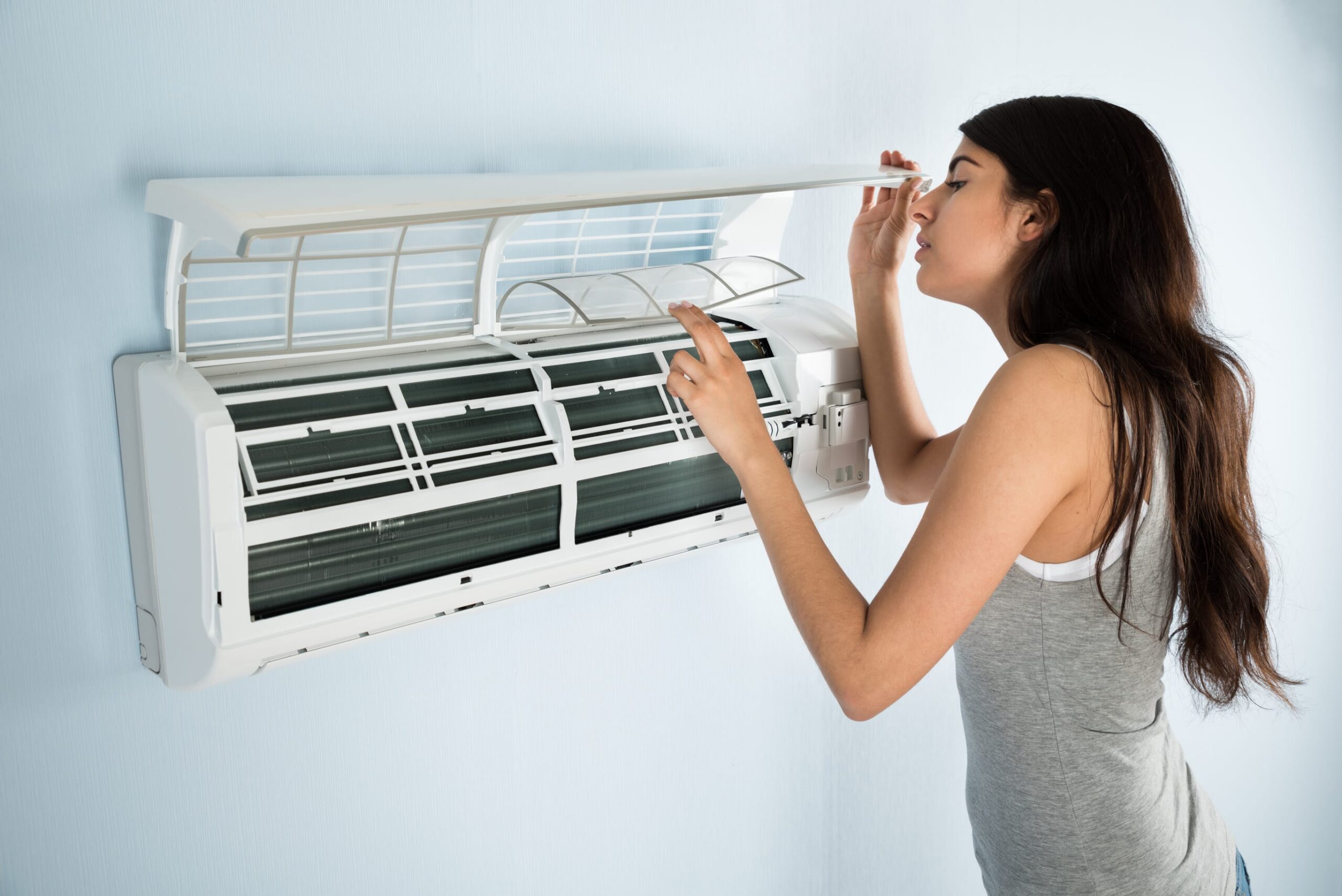
Short cycling occurs when an air conditioner starts, runs for a brief period, shuts off, and then turns back on again shortly afterward.
Under normal conditions, an HVAC system should run long enough to reach the set temperature before shutting down. When short cycling occurs, the system repeatedly starts and stops without completing a full cooling cycle.
Why Is Short Cycling a Problem?
Many homeowners assume that because their AC system is still producing cool air, everything is working properly. Unfortunately, that's not always the case.
AC short cycling can lead to:
- Increased wear and tear on components
- Higher energy bills
- Poor indoor air quality
- Shortened equipment lifespan
The longer short cycling issues continue, the more likely they are to cause significant damage to the HVAC system.
Common Causes of AC Short Cycling
Several factors can cause an air conditioner to cycle on and off too frequently.
Dirty Air Filter
As an air filter becomes clogged with dust and debris, it can block airflow throughout the system. Restricted airflow forces the air conditioner to work harder and may cause components to overheat.
In some cases, overheating triggers safety controls that shut the system down prematurely. Fortunately, replacing a dirty air filter is one of the simplest DIY troubleshooting steps homeowners can take.
Blocked Airflow
Beyond the filter itself, anything that reduces airflow can contribute to HVAC short cycling.
Common airflow issues include:
- Blocked supply vents
- Closed registers
- Dirty evaporator coils
- Damaged ductwork
- Furniture obstructing vents
When airflow becomes restricted, the cooling system may struggle to operate correctly and shut down before completing the cooling cycle.
Malfunctioning Thermostat
A malfunctioning thermostat is another common culprit. If the thermostat cannot accurately detect room temperature, it may incorrectly signal the air conditioning system to turn on or off.
Potential thermostat problems include:
- Faulty sensors
- Loose wiring
- Dead batteries
- Improper placement
- Calibration issues
For example, a thermostat located near direct sunlight, electronics, or other heat sources may misread temperatures and trigger frequent cycling.
Oversized Unit
An oversized unit can cool a home too quickly, causing the system to reach the set temperature before completing a proper cooling cycle. While this may sound beneficial, frequent cycling prevents the system from operating efficiently and removing humidity effectively.
Oversized equipment often experiences increased wear and tear because of the constant starting and stopping. Proper system sizing is critical when installing a new AC unit or heat pump.
Low Refrigerant Levels
Refrigerant is essential for absorbing and transferring heat. When refrigerant levels drop due to refrigerant leaks or other issues, the system may struggle to operate properly.
Warning signs of low refrigerant include:
- Reduced cooling performance
- Ice formation on evaporator coils
- Higher energy bills
- Longer run times
- Frequent cycling
Because refrigerant issues require specialized equipment and certification, homeowners should contact an HVAC professional for diagnosis and repairs. Checking refrigerant levels can help prevent issues down the line.
Frozen Evaporator Coils
Evaporator coils play a critical role in removing heat from indoor air. When airflow becomes restricted or refrigerant levels are low, evaporator coils can freeze. Frozen coils should never be ignored because they often indicate a larger underlying problem and can contribute to AC short cycling.
Electrical Issues
Various electrical problems can also contribute to AC short cycling. These include:
- Faulty wiring
- Failing capacitors
- Loose electrical connections
- Damaged relays
- Control board malfunctions
These electrical components help regulate system operation. When they fail, the AC system may cycle improperly or stop working altogether.
Because electrical repairs can present safety risks, they should be handled by a qualified HVAC technician.
Compressor Problems
If the compressor begins malfunctioning, the system may struggle to complete normal cooling cycles. Compressor issues can result from age, overheating, electrical problems, or prolonged short cycling.
Because compressor replacement is often a major repair, early diagnosis is essential.
How to Troubleshoot AC Short Cycling
While some causes require professional service, there are a few steps homeowners can take before scheduling AC repair:
- Replace dirty air filters
- Ensure vents are open and unobstructed
- Verify thermostat settings
- Replace thermostat batteries
- Inspect for obvious airflow restrictions
If the problem persists after these basic troubleshooting steps, professional diagnosis is recommended.
The Importance of Regular Maintenance
One of the best ways to prevent short cycling issues is through regular air conditioning maintenance. Routine tune-up services help identify small problems before they become major repairs.
During maintenance visits, an HVAC technician may:
- Inspect electrical components
- Check refrigerant levels
- Clean evaporator coils
- Evaluate airflow
- Test thermostat performance
- Examine ductwork
- Assess overall system health
Regular maintenance not only improves energy efficiency but also helps maximize equipment lifespan.
When to Call an HVAC Professional
If your AC running pattern seems abnormal, don't ignore it. Contact an HVAC professional if you notice:
- Frequent cycling
- Uneven cooling
- Rising energy bills
- Ice buildup
- Unusual noises
- Poor airflow
A qualified technician can identify the root cause and recommend the most effective solution before the problem leads to more costly repairs.
Trust Dr. Cool for AC Repair and Maintenance
If you're experiencing AC short cycling, the experts at Dr. Cool can help. Our experienced HVAC technicians can diagnose the cause of short cycling, perform necessary repairs, and ensure your system operates efficiently and reliably.
Whether you need a seasonal tune-up, air conditioning repair, or a new AC installation, we're here to keep your home comfortable all season long.
Call Dr. Cool at (702) 608-6913 or schedule your professional HVAC service online today.
Connect With Us
Our Contact Information
Reach Us by Phone or Email
If you prefer to speak directly with one of our technicians, don’t hesitate to contact us by phone or email. We’re available to assist you during business hours
Phone: (702) 873-1800
Email: info@drcoolservices.com
Business Hours:
Mon – Fri: 7:00 am – 9:00 pm
Sat – Sun: 8:00 am – 5:00 pm