Your July statement lands, and the number looks nothing like May. In Las Vegas, that jump usually comes down to one thing: your air conditioner ran far more hours than it did in spring. NV Energy says the main reason energy use increases during the summer is more frequent and longer AC use.
That does not mean your system is broken. But when your NV Energy bill runs high during AC season and the total feels out of line with the weather, you can check a few specific things to separate normal desert heat from a cooling system that has lost efficiency.
By the end of this, you will be able to read your own usage history, spot warning signs of an AC problem, and know which checks you can safely do yourself. Bill shock is common in Southern Nevada. Guessing about the cause is optional.
What a Higher Bill Can Tell You
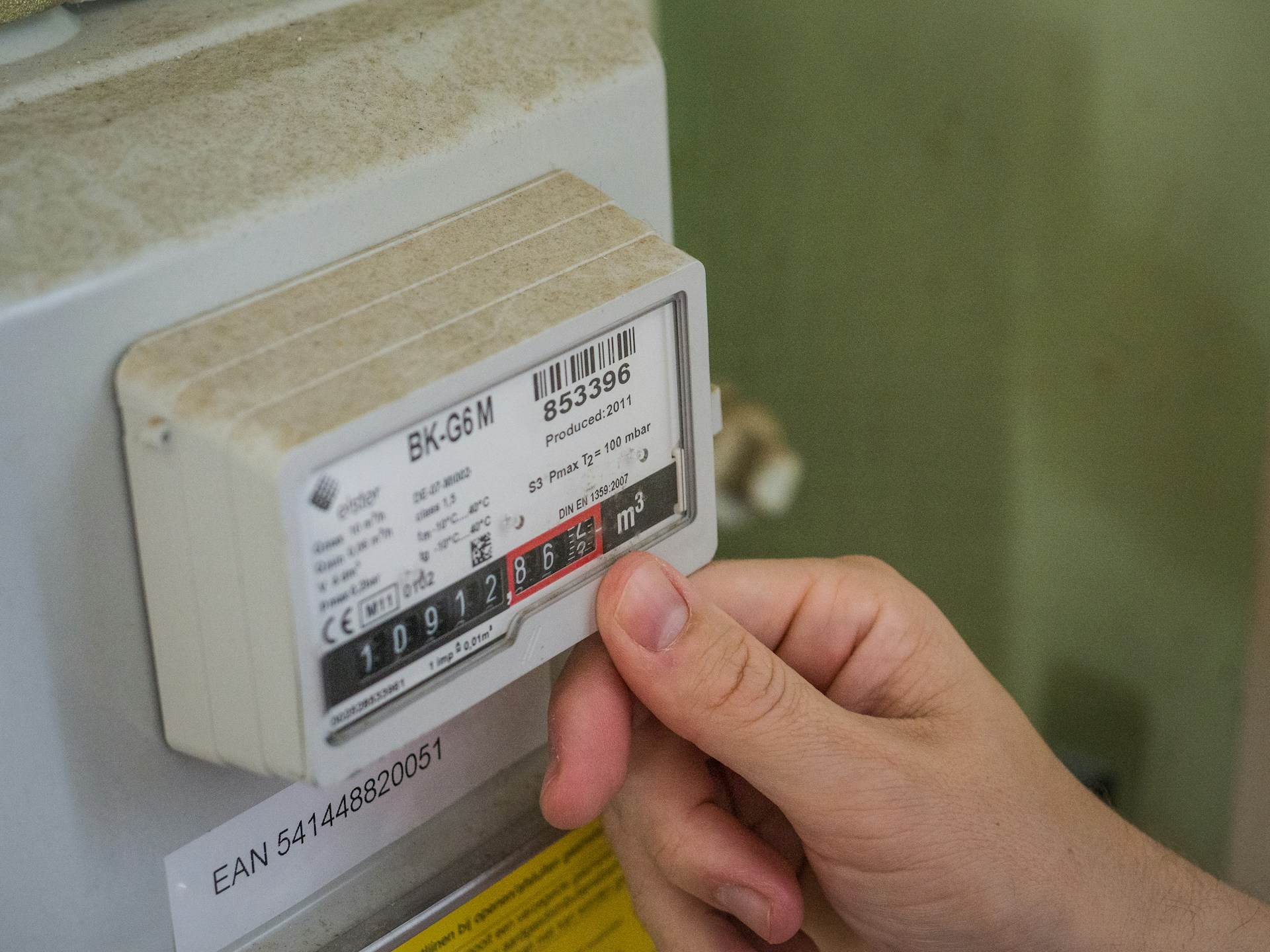
Your bill records how much electricity your home used and when. Read the usage graph, not just the dollar total. That helps you tell a hot-weather bill from a possible equipment problem.
How kW and kWh Affect an Electricity Bill
Kilowatts (kW) measure how quickly your home draws power at one moment. Kilowatt-hours (kWh) measure how much electricity you use over time. Your utility bill charges for kWh.
A 4-ton AC unit might pull 3 to 4 kW while running. Run it for 6 hours and you use roughly 18 to 24 kWh. Run it for 14 hours on a 110-degree day and that same unit can use twice as much.
So a bill can climb without an equipment problem. More runtime means more kilowatt-hours.
Why Peak Hours and Off-Peak Hours Matter
If you have a residential time-of-use rate, the time you use electricity affects the price. NV Energy's time-of-use summer season starts June 1, with on-peak hours running from 6 p.m. to 9 p.m.
Running the dishwasher, dryer, or EV charger during that window costs more than doing the same task at 10 p.m. Off-peak hours have the lower rate, so shifting laundry and charging later in the evening can change your bill even when total electricity use stays flat.
Check your rate schedule first. Not every household uses time-of-use billing.
How to Compare This Bill With Prior Bills
Your statement shows usage for the current month, the previous month, and the same month last year. That third number helps you check billing accuracy and rate changes.
Compare kWh to kWh, not dollars to dollars. If this July used 1,100 kWh and last July used 1,050 kWh, your equipment may be working normally while rates changed. If this July used 1,600 kWh against last July's 1,050 kWh, with the same thermostat setting and household, something changed in the home or system.
Also check the billing-cycle length. A 34-day cycle produces a higher total than a 28-day cycle with the same daily habits.
When Air Conditioning Drives Summer Use
Air conditioning is the largest single electrical load in most Las Vegas homes during summer, so even a small efficiency drop can show up quickly on the bill. Runtime, airflow, and refrigerant charge largely determine how much power your AC system uses to maintain the set temperature.
How Desert Heat Extends AC Run Time
An AC unit is sized to hold a target indoor temperature against a design outdoor temperature. When outdoor air stays between 110 and 115 degrees for weeks, the system works near its limit and cycles off less often.
At some point, a healthy system may run almost continuously in the late afternoon. That is normal in the Mojave, not necessarily a malfunction.
The problem starts when your home no longer reaches the set temperature. A system that runs all day and still leaves the house at 80 degrees is losing capacity somewhere.
AC Warning Signs That Point to an Efficiency Gap
Some symptoms point to a gap between what your unit should deliver and what it actually delivers:
- Weak or warm airflow at the supply vents while the system runs
- Short-cycling, where the unit starts and stops every few minutes
- Ice on the evaporator coil or refrigerant line, which usually indicates low refrigerant or restricted airflow
- Rooms that never catch up while other rooms cool normally
- New noises: grinding, screeching, or a hard clunk at startup
- Water pooling near the indoor air handler
Low refrigerant indicates a leak, not a fluid the system simply uses up. A low-charge system consumes power without moving much heat, making it one of the quickest ways to raise a summer bill.
Age matters, too. An older unit rated at 10 SEER delivers less cooling per watt than a modern system rated under the SEER2 test standard, so maintaining the same comfort level uses more electricity.
Why Coil Cleaning, Filters, and Duct Leaks Matter
Airflow restrictions make your AC work harder while delivering less cooling. The Environmental Protection Agency notes that changing air filters regularly and having a licensed contractor maintain equipment each year can save energy.
A clogged filter, a condenser coil covered in desert dust, or a disconnected duct in a 140-degree attic all waste cooling you already paid for. Duct leaks send conditioned air where nobody lives. ASHRAE recommends having air ducts checked for leaks, including separated sections and holes along the run.
Thin attic insulation adds to the cooling load. Coil cleaning, filter changes, and duct sealing are routine parts of AC maintenance, and they are among the least expensive fixes on this list.
Household Habits That Can Raise Demand
Your AC rarely acts alone on a summer bill. Pool pumps, EV chargers, and dryers add to the cooling load, while thermostat settings affect how long the compressor runs.
Which High-Draw Appliances Can Overlap With the AC
A pool pump running 8 hours a day creates a steady load that many homeowners overlook. An EV charger adds several kW for hours at a time. An electric dryer, oven, and dishwasher each draw heavily in short bursts.
When several appliances overlap with your late-afternoon demand peak, your home's immediate power draw rises sharply. Moving the dryer and dishwasher to late evening, and setting the EV charger to start after 9 p.m., helps flatten that peak.
Pool pumps usually run fine overnight. Check with your pool service before changing the schedule.
How Smart Thermostat Settings and Pre-Cooling Can Help
Thermostat settings affect runtime more than almost any other household habit. ASHRAE suggests setting thermostats to 76 degrees or higher when the house is occupied during the day, then raising the setting a few degrees at night.
Pre-cooling uses your home's thermal mass. Cool the house slightly below your target in the morning, when outdoor air is cooler and the AC runs more efficiently. Then let the temperature rise a little during the hottest afternoon hours.
A smart thermostat can automate the schedule. Set it once, and it will hold the pattern without anyone touching the dial. There is a longer walkthrough of HVAC habits that lower energy bills if you want the full list.
What to Know About a Daily Demand Charge
NV Energy plans to introduce restructured energy bills in Southern Nevada with a daily demand component for residential and small commercial customers. According to the utility's daily demand fact sheet, the change begins January 1, 2027, and aims to modernize electric service costs without increasing NV Energy's overall revenue.
Demand charges bill you according to your highest short-term draw, not just your total kWh. Under that structure, running the AC, EV charger, and dryer at the same time matters more than it does today.
The Public Utilities Commission of Nevada (PUCN) authorizes these rate changes. NV Energy also offers a daily demand web tool so customers can see how their own usage translates.
When to Schedule an AC Inspection
Book an AC inspection when your system runs constantly but still misses the set temperature, or when your kWh usage jumps sharply compared with the same month last year. You can handle some checks yourself, while others require a licensed technician from the start.
Safe Checks to Make Before Calling
Start with the filter. Pull it out and hold it up to the light. If you cannot see through it, replace it and give the system a day.
Then walk through these:
- Confirm the thermostat is set to Cool with the fan on Auto, and make sure the schedule has not changed
- Check the breaker for the air handler and the outdoor unit
- Look at the outdoor condenser and clear weeds, trash, or stored items within two feet of it
- Make sure supply vents and return grilles are open and clear of furniture
- Check that attic access doors and closet louvers do not block return air
Stop there. Do not handle refrigerant, wiring, or cabinet panels.
Problems That Need a Licensed HVAC Technician
Call a professional if you see ice on the coil or frost on the refrigerant line, smell something burning, notice breakers that reset and trip again, or hear a compressor hum without starting. Electrical components and refrigerant work require licensing in Nevada.
The same applies to short-cycling, water around the air handler, and grinding noises. Continuing to run a system with these symptoms can damage parts that cost more than the original repair. Dr. Cool explains what it checks during AC repair visits, including capacitors, blower motors, refrigerant leaks, and coil service.
When Maintenance, Repair, or an Energy Assessment Makes Sense
Annual maintenance makes sense before summer begins. It covers the coil, filter, drain, and refrigerant charge. Repair makes sense when a specific symptom has already appeared.
An energy assessment helps when your equipment tests properly but usage remains high. NV Energy's PowerShift program offers a free energy assessment with one of its energy advisors as part of a bundled appointment. The visit covers insulation and envelope issues that HVAC service does not.
If your system has reached the end of its life, PowerShift rebates may offset part of a new AC installation or heat pump. Ask about current eligibility before committing to equipment.
Reading Your Bill With More Confidence Next Month
A high summer bill in Southern Nevada usually has more than one cause. Longer AC runtime in triple-digit heat explains most of it. Clogged filters, leaking ducts, thin insulation, thermostat habits, and appliances running during the same afternoon hours can add to the total.
Compare kWh with the same month last year before assuming the worst. If the usage gap is large and your thermostat setting has not changed, have the system inspected. Homeowners in Summerlin, Henderson, and across the Las Vegas Valley who have added solar energy, net metering, or a solar plus battery setup should still check airflow. A struggling AC uses generated power just as quickly as it uses grid power.
When the numbers point to your equipment, a licensed technician can measure airflow, refrigerant charge, and temperature split in one visit. Call Dr. Cool at (702) 873-1800 or book online for same-day service, with upfront pricing explained before any work starts.
Connect With Us
Our Contact Information
Reach Us by Phone or Email
If you prefer to speak directly with one of our technicians, don’t hesitate to contact us by phone or email. We’re available to assist you during business hours
Phone: (702) 873-1800
Email: info@drcoolservices.com
Business Hours:
Mon – Fri: 7:00 am – 9:00 pm
Sat – Sun: 8:00 am – 5:00 pm
