
Halfway through rinsing your hair, you notice the water is up past your ankles and climbing. By the time you step out, there is a gray ring around the shower floor and a puddle that takes twenty minutes to disappear. A shower drain clogged like this ranks among the most frequent plumbing headaches in any house, and most of the time you can fix it yourself with a screwdriver, a pair of gloves and a little patience.
The goal is to get the water moving without doing anything that makes the next repair harder. That rules out a few popular shortcuts, which we’ll get to.
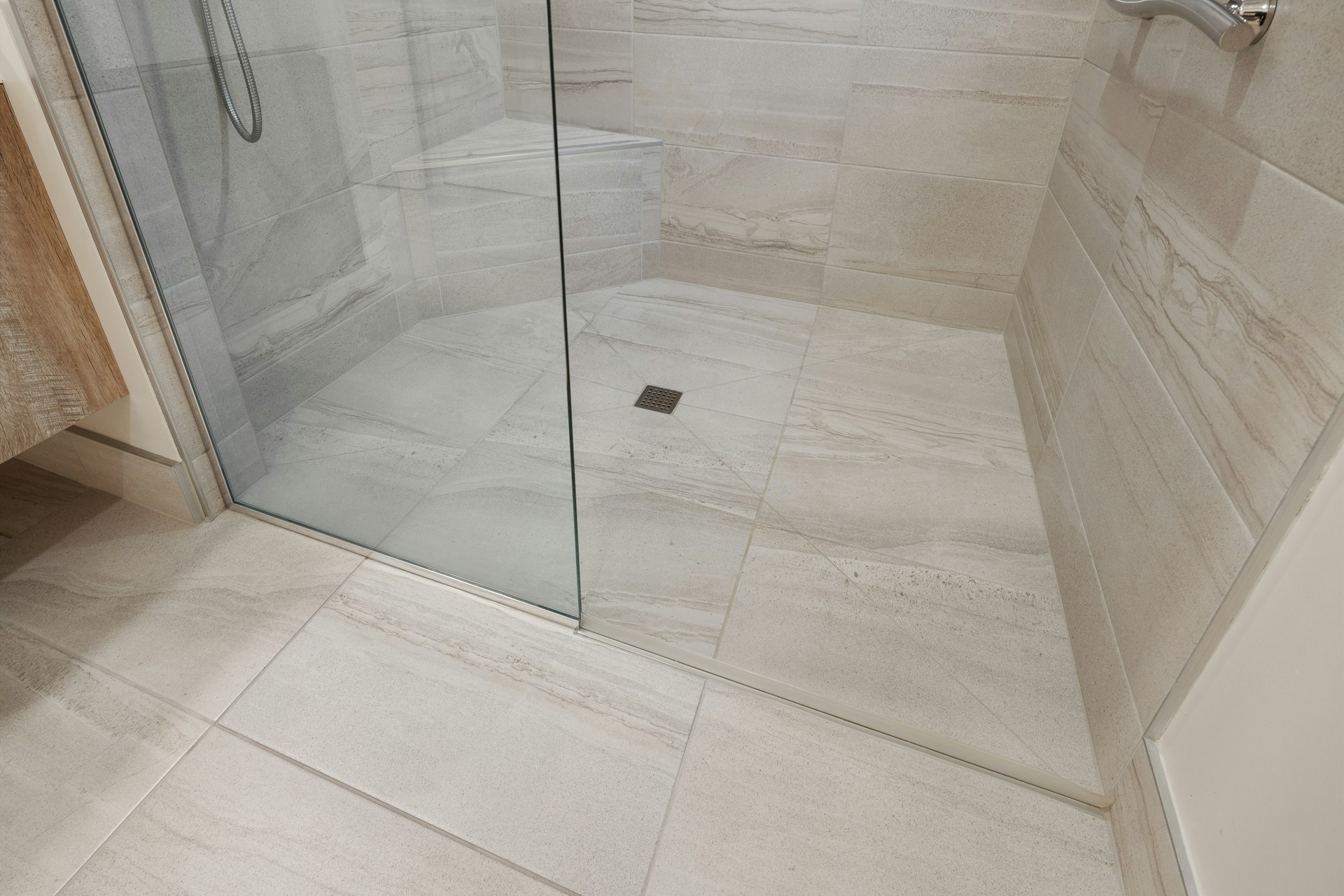
Hair Is the Net, Soap Scum Is the Glue
Shower clogs build in layers. Hair goes down first and snags on the crossbar under the strainer or the first bend of the pipe. On its own, a tangle of hair lets water through. The trouble starts when soap, shampoo, conditioner and skin oils coat that tangle and stick everything together.
Las Vegas adds a third ingredient. The Las Vegas Valley Water District rates local tap water as very hard, which means it carries a lot of dissolved calcium and magnesium. Those minerals react with ordinary bar soap to form the waxy residue you know as soap scum, the same film that clouds glass shower doors. Inside a drain, that scum binds hair into a dense, rubbery plug that hot water alone won't shift. If you've seen the white crust on your faucets, our guide to what causes hard water explains where it comes from.
That layered build-up is why a slow shower drain rarely fixes itself. Each shower adds a little more.
Start at the Strainer, Not the Store
Most shower clogs sit within the top few inches of the drain, so the first job is getting the cover off.
Screw-down grates have one or two small screws in the center or at the edges. Take them out and set them somewhere they can't roll into the drain.
Snap-in grates pry up with a flat screwdriver slid under the edge. Go gently, because the plastic tabs underneath can crack.
Tub stoppers come in a few styles. A lift-and-turn stopper usually unscrews by holding the body and turning it counterclockwise. A push-to-close (toe-touch) stopper generally unscrews from the top once you hold the base still.
With the cover off, put on rubber gloves and pull out whatever you can see. A flashlight helps. For hair just out of reach, a plastic drain tool with barbed edges is cheap, safe for every pipe material and surprisingly effective. Push it straight down, give it a twist, and pull it back up slowly. Expect something unpleasant on the end. Repeat until it comes up clean, then run hot tap water for a minute to see whether the drain keeps up.
A bent wire hanger works in a pinch, but keep the hooked end small and avoid scraping hard, especially on older metal drains where the finish is already thin.
When the Clog Sits Deeper Than You Can Reach
If the top of the drain is clear and the water still pools, the plug has settled further down, often in the P-trap, the U-shaped bend that holds water to keep sewer gas out of the bathroom. Our article on what a P-trap does shows how it's shaped and why debris collects there.
Use a plunger with some water in it. A cup-style plunger works best on a flat shower floor. Leave an inch or two of water in the pan so the plunger cup is submerged, which gives you a seal and pushes water rather than air. On a bathtub, stuff a wet rag into the overflow opening first. Otherwise the pressure you build simply escapes through that second hole. Give it ten to fifteen firm, straight pumps before you pull up.
Try a small hand auger. A drum-style hand snake, about a quarter inch thick, can work its way through the trap and grab hair that a plastic tool won't reach. Feed it in slowly, crank when you feel resistance, and pull back to remove what it catches. Don't force it past a tight bend. Forcing a cable can scratch a tub drain or kink the cable inside the pipe.
Hot water helps, boiling water doesn't. Very hot tap water can soften greasy soap residue after you've broken up the hair. Boiling water is a different story. Many Las Vegas Valley homes have plastic drain lines, and pouring boiling water into plastic pipe or onto a fiberglass or acrylic shower pan risks softening joints and warping surfaces.
Keep baking soda and vinegar in perspective. The fizz is real and can help loosen a thin film once a drain is mostly open. It won't break apart a solid hair plug, so treat it as a maintenance rinse rather than a clog remover.
Why Harsh Chemicals Belong Off the List
Caustic drain cleaners rely on strong chemicals such as sodium hydroxide, and a shower is a poor place to use them. Hair and soap scum are dense, so the product tends to sit on top of the clog instead of eating through it. You end up with a pan of standing water that now contains a corrosive chemical, which you then have to plunge, snake or bail.
MedlinePlus lists drain cleaners among the household products containing sodium hydroxide, which burns skin and eyes on contact, so a splash while plunging is a real risk. Acrylic and fiberglass shower pans and older tub finishes don't benefit from a caustic bath either. If you've already poured some in and the water hasn't moved, tell whoever clears the drain, so they can protect themselves before opening it up.
A Slow Shower Drain Can Be Pointing Somewhere Else
Sometimes the shower is just the place where a bigger problem shows up first. Take note of what the rest of the house is doing.
If only the shower is slow, the clog is almost certainly local. If the bathroom sink and tub are both sluggish, the blockage may sit further along in the branch line they share. If the toilet gurgles when the shower drains, or water rises in the tub when you flush, the trouble is likely in the main drain line, and no amount of work at the shower grate will fix it. Our guide to drains draining slowly covers how to read those patterns room by room.
Most Las Vegas homes are built on concrete slabs, so the drain line under your shower runs beneath the floor. A deep clog there, or one that keeps coming back within weeks, needs equipment that reaches well past the trap. That's when professional drain cleaning makes sense.
Stopping the Next Clog Before It Starts
A few small habits keep a cleared drain clear for much longer:
- Fit a hair catcher over the drain and empty it after each shower. It's the single most effective change you can make.
- Brush long hair before you shower, so less of it ends up in the drain.
- Run hot water for thirty seconds after each shower to carry fresh soap residue further down the line.
- Pull the strainer and clean underneath once a month, before a small tangle becomes a plug.
- Consider liquid body wash over bar soap. Bar soap is the main source of the scum that hard water creates.
If soap scum and scale keep winning, softer water makes a noticeable difference throughout the bathroom. Dr. Cool can fit whole-home water softening and filtration to cut down on the mineral build-up behind it.
Getting Your Shower Draining Again
Pull the hair, plunge with water in the pan, and leave the harsh chemicals on the shelf. That clears most clogs within half an hour.
When the water still won't go down, or several drains are slowing at once, Dr. Cool can help. Book drain cleaning online or call (702) 873-1800, and ask about same-day service.
Connect With Us
Our Contact Information
Reach Us by Phone or Email
If you prefer to speak directly with one of our technicians, don’t hesitate to contact us by phone or email. We’re available to assist you during business hours
Phone: (702) 873-1800
Email: info@drcoolservices.com
Business Hours:
Mon – Fri: 7:00 am – 9:00 pm
Sat – Sun: 8:00 am – 5:00 pm